
5th February 2026 8 MIN READ •Resources
Implementing a standardised performance management process across your organisation enables managers to develop their people, set objectives and retain top talent. In this article, we explain the essential steps of a strategic performance management process, and why following these is important for employee engagement, motivation, and overall morale.
Key takeaways
- The four steps of an employee performance management process are: planning (goal setting), monitoring (regular check-ins, task completion, and self-assessments), reviewing (assessing productivity and gathering performance feedback), and rewarding (providing recognition, pay rises, or promotions)
- Using a standardised performance management process across an organisation ensures transparency and fairness, and means employees are aware of exactly what’s expected of them in order to achieve results and progress in their career
- HR need to ensure employees are engaged with the performance management cycle by encouraging employee participation in goal setting, self-assessments, and identifying individual development opportunities
- Using software to support the ongoing performance management process streamlines admin, gathers accurate performance data to ensure fairness and eliminate bias, and automates reporting

Table of Contents
What is performance management?
Performance management is the ongoing process of tracking employee performance. The performance management process is a continual cycle that involves goal setting, monitoring, reviewing, and recognising progress. Performance management can take many different forms, including performance reviews, appraisals, check-ins, or 121s, and evaluations.
Regular feedback and open communication between management and employees are integral to an effective performance management process. The cycle is designed to identify opportunities for further development, offer transparency and visibility on individual contribution to company goals, and provide evidence to support decisions regarding pay increases or promotions.
What is the performance management cycle?

There are four key stages to the performance management cycle:
- Plan: set clear goals and align on objectives
- Monitor: gather feedback, conduct regular check-ins, 121s and quarterly or annual reviews, and use performance management tools to track productivity
- Review: use a combination of feedback and data to review employee performance against initial goals
- Reward: recognise progress or outline areas for improvement, before beginning the cycle again
What is the performance management process? 4 essential steps
Let’s take a look at each stage of the performance management process in more detail:
1. Planning
The first step in any performance management process is to set clearly defined goals to ensure employee objectives align with wider focuses. Goals should ideally be SMART (specific, measurable, achievable, relevant, and time-bound), with each one linked to an overall business goal. Employees should also be aware of how their performance will be monitored, and how often reviews or appraisals will take place.
2. Monitoring
Ongoing monitoring is an essential part of the performance management process. There is a risk that this could feel like micro-managing; however, effective performance management builds trust between managers and employees by ensuring everyone is aligned and working towards the same goal. Methods used to monitor employee performance can include:
- 121 meetings
- Employee self-assessments
- Gathering 360-degree feedback from peers
- Tracking productivity via performance management software
- Performance reviews and appraisals
3. Reviewing
Create a culture where praise is given for good work and constructive feedback is provided for areas that require improvement. This means employees can better understand if they are on track to achieve their goals. Don’t wait for formal performance reviews to deliver feedback to avoid bigger challenges further down the line. This will help to prevent opportunities for improvement from being delayed or missed.
It’s also vital to provide space for ongoing professional development, including training and other opportunities for employees to upskill as part of the performance management process. Regularly reviewing performance means areas requiring training and development can be identified, so employees can be given the specific support they need to fulfil their potential.
4. Rewarding
Take the time to recognise, acknowledge and reward good performance within your team. Depending on your company policies, this could take the form of:
- Public praise
- A pay rise
- A bonus
- Promotion
- Extra time off
Recognising hard work and good results helps employees to feel valued, can increase staff engagement, and contribute to reducing churn.
If your performance management framework identifies that an employee is underperforming, action will need to be taken to address these issues and resolve them quickly. Setting clear goals and KPIs means all parties are aware of what success should look like, so these conversations shouldn’t come as a surprise to the employee concerned.
Importance of the performance management process
Implementing a strategic performance management process creates a standardised framework for assessing employee performance. This is important to ensure fairness and provide set criteria to review progress across a business.
HR and other leaders need to make sure employees at all levels are aware of the organisation’s performance management process, how it works, and how they’re expected to contribute to garner employee engagement. When employees are actively engaged with the performance management cycle, this can lead to enhanced productivity, greater job satisfaction, and improved staff retention rates.
The benefits of following a formal performance management process include:
- Ensures goal alignment across the organisation to support overall motivation
- Creates a culture of accountability for task completion and progress
- Helps to boost employee confidence and morale by providing regular performance feedback
- Identifies skill gaps and areas that require further training and development
- Provides data to inform decisions regarding pay rises or promotions
- Improves transparency regarding employee performance evaluations, supporting employee engagement levels
Performance management process best practices
The performance management process provides a framework for monitoring employee progress, but there are steps you can take to make sure it continues to work for your company, and to ensure you’re getting the best results from it. Here are some best practice tips to keep in mind:
- Stay adaptable: don’t rigidly stick to the process you’re using if it no longer works for your organisation. For example, you may need to move from bi-annual to quarterly appraisals, or adjust the parameters of employees’ goals as business needs evolve
- Mentor as well as manage: managers should look for opportunities to mentor the employees under their supervision, alongside line managing them. This could take the form of providing helpful resources or other support, coaching them through a stage of professional development, or offering advice on their career path
- Collaborate, don’t dictate: the performance management process is most effective when it takes a two-way approach. Work with employees to set goals they want to work towards – don’t just tell them what they need to do. Another tactic is to ask them to assess their own performance, rather than doing it for them, to provide a different perspective
- Regularly review the performance management process: HR and management should regularly review the performance management process itself to identify any areas that require adapting or improving to ensure the strategy continues to work for everyone. Gather feedback from employees and managers, and listen to any concerns to inform any necessary tweaks or improvements
There are some common challenges that can occur during the performance management cycle. While following a process creates a standardised approach, every employee-manager relationship is unique, and sometimes goalposts may move or communications fall down.
Here are some of the challenges that may arise and how to navigate them:
1. Lack of clarity around goals
The challenge
If goals are unclear, or haven’t been set using the SMART framework, this could lead to misaligned expectations and potential underperformance. If employees subsequently feel that performance-related decisions are unfair, this could impact overall morale.
Avoid this challenge by ensuring goals are SMART, and are set in collaboration with employees. Take the time to make sure they understand what’s expected of them, including exactly what they should be aiming to achieve, and when by.
Sometimes, business needs will change, and goals will need to be realigned. In this event, any adjustments must be clearly communicated to employees as soon as possible, and they must be made SMART.
2. Management training gaps
The challenge
When managers and other leaders lack training in management skills, such as active listening, coaching, delegating, and demonstrating emotional intelligence, this can lead to friction in the performance management process. Employees may feel that they aren’t being understood or listened to, and could feel that they lack support.
Businesses need to prioritise management training to prevent these frustrations. It’s also important to listen to feedback from employees on where they feel they would benefit from more support, and to take action to address these concerns.
Peer-to-peer mentoring can be beneficial for individuals in management positions, as they can share learnings or get support with knowledge gaps from other managers, who will empathise with their situation. In addition, managers should have access to continuous learning and professional development opportunities to keep their management skills refreshed and up to date.
3. Bias
The challenge
In some cases, employees may feel that bias or subjectivity is influencing their performance review, leading to frustrations and the situation potentially escalating.
Eliminate bias from the performance management process by using software to collect data on task completion and results, to make sure feedback and related decisions are as accurate and fair as possible.
Setting a process that is fair and transparent can help to remove bias and subjectivity. At the same time, it’s important to ensure that managers have the correct training on recognizing and addressing unconscious bias.
4. Lack of employee engagement
The challenge
It can be a struggle to keep employees engaged with a continuous performance management process. Being asked to provide feedback or conduct self-assessments on a regular basis can add to employees’ workload, and they may not see it as a priority. If all parties aren’t engaged in the process, it will no longer be effective.
HR needs to take steps to proactively engage employees in the performance management process. Communicate the importance of the process, and outline potential rewards and progression opportunities to increase motivation and engagement.
Encourage employees to get involved in the process as much as possible, by collaboratively setting goals with their manager or providing feedback on their own performance. What’s more, leaders need to provide continued opportunities for training and development to keep employees motivated and feeling valued by the organisation.
5. Salary misalignment
The challenge
Another challenge that may be encountered during the performance management process is employees feeling that their pay is not aligned with their performance. For example, they may be expecting a pay rise when they haven’t met the criteria, due to a lack of clarity. This can impact morale, as well as retention.
Misalignment between pay and performance can be avoided by ensuring transparent criteria is used for all potential rewards as part of the performance management cycle. Employees should be made aware that cases for salary increases or promotions will be assessed against specific performance metrics, so they know when to expect certain rewards to ensure greater alignment in future.
Tools to support the performance management process
There are many different tools, techniques and technologies that can be used to support an organisation’s strategic performance management process, including:
- New starter onboarding process: the employee onboarding process is when positive relationships between employees and managers begin, and it’s an opportunity to set initial expectations and goals, which will be revisited in future performance reviews. Follow an onboarding checklist to ensure this is a success
- SMART goals framework: make sure all goals are Specific, Measurable, Achievable, Relevant, and Time-bound. Every employee goal needs to meet each of these criteria – if it only fits into three or four of these categories, it isn’t a SMART goal
- Personal development plans (PDPs): considering tailoring individual development plans outlining the steps to progress for employees that would benefit from this. Some will find it helpful to work towards a custom plan for growth, with goals broken down and expected achievements clearly outlined
- 360-degree feedback: there are multiple feedback tools that can benefit the performance management process. 360-degree feedback is an effective system, as it gathers comments from the different teams and departments an employee works with to provide a comprehensive, rounded view of their performance
- Performance management software: software helps to streamline and standardise the performance management process, reducing admin, enhancing reporting, and automating reminders for performance reviews, check-ins, and more. Save time, provide all employees with visibility into their goals and performance, and provide the recognition your people deserve from one easy-to-use platform
- Employee surveys: use employee surveys to gather feedback on the performance management process itself. Ask employees what’s working for them and whether they’d like to see any changes. Engaging staff in the process fosters an open culture of collaboration, and shows them their opinion is valued, benefiting overall morale
Keep the performance management process on track with Talos360
Our Talos360 performance management software is a centralised platform that allows HR, managers, and other leaders to monitor the performance management cycle via one, easy-to-use dashboard. Our solution integrates seamlessly with your existing HR systems for a streamlined performance management process.
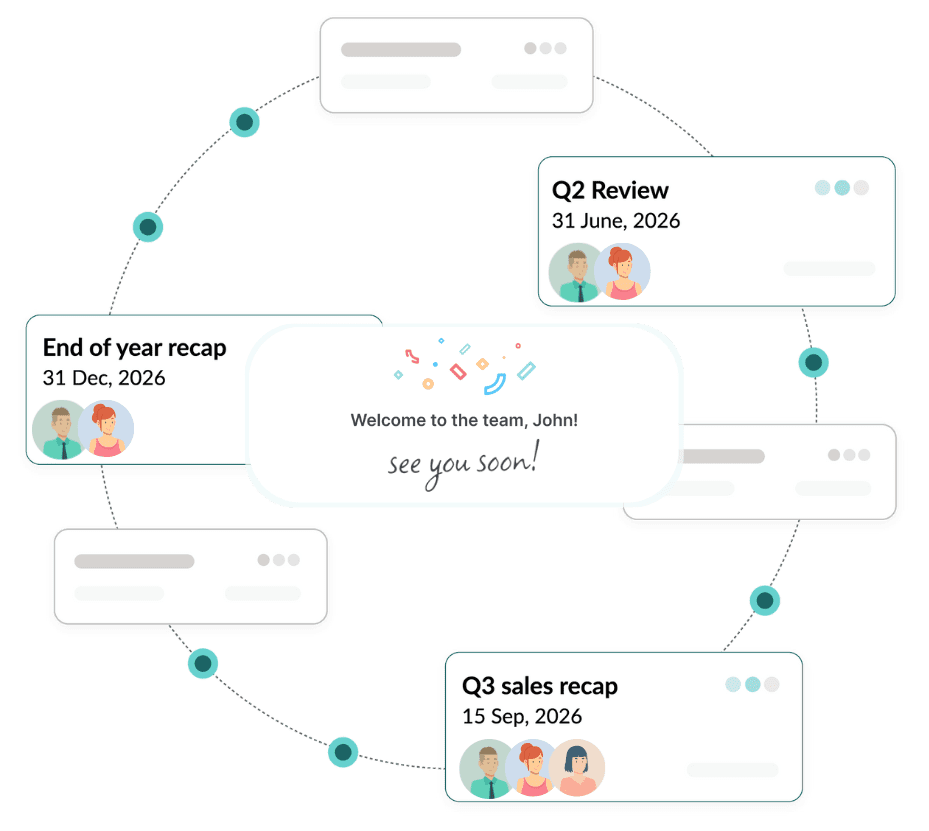
Key performance management software features include:
- Track employee performance
- Manage employee reviews
- Gather real-time feedback
- Set SMART goals and objectives
- Create custom personal development plans
- Identify and recognise high performers
- Uncover skill gaps and progression opportunities
- Automate reporting
Start experiencing these coveted performance management software features with Talos360. Contact us today to book a demo and get started.