
18th February 2026 6 MIN READ •Resources
Performance management techniques vary from business to business; there’s no one-size-fits-all approach, with different methods, tools and processes used depending on each organisation’s goals and objectives. In this guide, we explore the most effective performance management strategies to support employee development, create a people-first culture, and enhance employee motivation and productivity.
Key takeaways
- Performance management is the ongoing process of monitoring people’s performance within a workplace. It’s an important aspect of people management; when done well, it can help to enhance motivation and productivity, and make staff feel valued by their employer, positively impacting retention
- There are many different performance management techniques, from annual appraisals to personal development plan,s and from utilising peer feedback to following a continuous performance management approach
- When considering which performance management methods are right for your people, ask for employee feedback, look for tools and techniques that align with your organisation’s goals, and clearly communicate any changes to your existing approach
Performance management software plays a key role in many performance management strategies. It enables people’s performance to be tracked against objectives and feedback to be gathered in real time. It also allows opportunities for development to be easily identified, and rewards and recognition to be shared both privately and publicly

Table of Contents
What is performance management?
Performance management is the process of monitoring how well people are performing in a workplace. This should be a continuous, ongoing process, but there are different approaches to performance management, with methods varying from business to business.
The performance management process typically involves:
- SMART goal setting
- Ongoing monitoring
- Gathering feedback
- Performance reviews
- Recognition and rewards
Why is performance management important?
Performance management is an essential aspect of employee growth and development. Through proven performance management techniques, HR and management can ensure people’s goals are aligned with wider organisational objectives, create a performance-based culture, and truly practise continuous performance management.
The benefits of tried-and-tested performance management methods include:
- Create a culture of transparency and visibility
- Increased accountability
- Greater job satisfaction
- Enhanced employee engagement
- Improved staff retention
- Empower continued development
- Provides data to inform performance-based decisions
7 proven performance management techniques
Every organisation will take a different approach to performance management; some will follow a more traditional model, with annual appraisals, whereas others prioritise continuous performance management. Methods vary, but these are some of the most popular tried-and-tested performance management techniques.
1. Performance appraisals
One of the most common performance management tactics is a quarterly or annual appraisal process. There are various performance management appraisal methods, but these formal review meetings focus on how an individual has performed during the previous period.
People’s performance will be assessed and evaluated against previously defined goals and key performance indicators (KPIs). Managers have the chance to provide feedback, but this is often a one-way process.
Pros:
- Highlights training and development needs
- Supplies the data to drive HR decisions, such as promotions and pay rises
- Provides a record of people’s performance over time
Cons:
- Can feel very formal, creating some anxiety
- Rigid structure doesn’t account for unique circumstances
- Time-consuming and admin-heavy for managers
2. Management by objectives (MBO)
Management by objectives or MBO is another popular performance management approach. With this method, clear goals and KPIs need to be set for each employee, and these should be aligned to wider organisational objectives to ensure everyone is working towards a common purpose. These goals need to be SMART (Specific, Measurable, Achievable, Relevant, Time-bound) to provide a clear framework for success.
Managers will track people’s progress against these objectives over a set period of time, before evaluating performance during a review or appraisal meeting. MBO allows management to clearly see who has achieved or surpassed their objectives, providing a clear case for recognition and reward. This means performance is assessed fairly and objectively, rather than subjectively.
Pros:
- Sets clear expectations, encouraging accountability
- Provides people with greater role clarity
- Increases employee engagement and motivation
Cons:
- Time-consuming for managers
- Structure can be inflexible, as it can be tricky to change goals once they’re set
3. Continuous performance management
Adopting a continuous performance management approach is one of the most effective methods of performance management. Transitioning from a formal appraisal system to an ongoing approach to monitoring performance empowers people to continually improve to reach their full potential.
Features of continuous performance management include:
- An ongoing cycle of goal setting, monitoring, reviewing, and rewarding
- Collaboration – continuous performance management should be a two-way approach
- Regular check-ins to discuss progress
- Frequent performance reviews provide an opportunity to discuss growth
- Feedback is gathered and shared regularly
- Encourages continuous professional development, benefiting productivity, morale, and retention
The key difference between structured appraisals and a continuous performance management approach is that the former sees reviewing performance as a single, formal event, rather than an ongoing, collaborative process.
Pros:
- Aligns individual goals with wider organisational objectives
- Enhances motivation and engagement, increasing productivity
- Provides people with a clear framework to achieve their goals
Cons:
- Regular check-ins can be time-consuming
- Constant monitoring can make employees feel micro-managed
- Transitioning from annual appraisals to continuous performance management requires a cultural change, which may face resistance
Read more: Continuous performance management vs performance appraisal: a guide to the key differences
4. 360° feedback
Next on our list of effective performance management techniques is gathering and utilising 360° feedback. This method involves HR or management sourcing feedback on an employee from multiple perspectives – this might be an individual’s direct reports, wider teammates, or people in other departments who they collaborate with.
This technique is a key part of continuous performance management, as it allows people to receive regular feedback on the strengths, weaknesses, progress, achievements, and areas for improvement. However, it’s important for managers to ensure this feedback is utilised and acted on; positive feedback should be recognised and rewarded; constructive feedback should form the basis of personal development plans to address skill gaps and encourage continued development.
Pros:
- Provides a rounded view of people’s performance from the people they work with day-to-day, rather than just their manager
- Reduces bias by collecting feedback from a diverse range of sources
- Creates an open, transparent workplace culture
Cons:
- It can be time-consuming for colleagues to continually provide feedback on their teammates – it requires a high level of participation to be effective
- High administrative burden for HR, particularly in keeping feedback anonymous
5. Foster a performance-based culture
At the heart of the most successful approaches to performance management is a performance-based culture. When HR and management make it known that promotions, pay rises, bonuses, and other rewards and recognition are on offer for high performers, this can enhance motivation, productivity, and job satisfaction.
Creating a performance-driven culture encourages people to take ownership of their success and proactively seek opportunities to develop, benefiting overall company culture. A merit-based rewards system helps people to feel valued and appreciated, which can impact retention too. What’s more, tailoring rewards to individuals will make them feel seen and understood by your business.
Pros:
- Enhances motivation, increasing productivity
- Identifies high performers, supporting higher retention for top-performing staff
- Creates a merit-based performance management system, promoting a culture of fairness and transparency
Cons:
- May result in burnout, if people feel pressured to perform at a consistently high level
- Can encourage a focus on short-term results ahead of the next reward cycle, rather than the longer-term picture
6. Utilise performance management software
Regardless of the performance management methods your company chooses, using performance management software will enhance your approach. Performance management technology is designed to streamline the process, foster transparency, and significantly reduce admin for HR and managers.
With Talos360’s all-in-one performance management solution, you can:
- Standardise your organisation’s performance management process
- Manage performance from one centralised dashboard
- Reduce admin with AI transcriptions for performance reviews and appraisals
- Provide every employee with visibility of their goals
- Gather real-time feedback from diverse sources
- Quickly identify high performers
- Notice and address skill gaps before they become a bigger issue
- Automate performance review reminders
- Share recognition individually and publicly
- Generate automated reports
Pros:
- Saves time and admin
- Improves efficiency
- Encourages a culture of ongoing improvement
- Provides data-driven performance insights
- Supports remote people management
Cons:
- Automated reports may not provide a full picture of someone’s performance
- Time and resources will need to be invested in training all staff in how to use the software to ensure a smooth rollout
Read more: 8 essential performance management software features
7. Personal development plans (PDPs)
Personal development plans, also known as PDPs, are another of the most popular performance management strategies. Our performance monitoring software allows you to integrate PDPs into the system to set and monitor goals, track progress, and identify skill gaps and training needs.
Monitoring PDPs in this way provides the data needed to inform performance-related decisions, supporting people’s career development.
Pros:
- Increases motivation
- Offers clear direction and a roadmap to development
- Makes people feel valued and supported by their employer, impacting retention
Cons:
- Can lead to people feeling micro-managed, affecting trust and morale
- Structured plans may not account for changing circumstances, impacting outcomes
How to choose the right performance management approach
Different performance management strategies will suit different organisations. To find the right performance management approach for your business and your people, consider the following steps:
- Assess your culture: think about your current culture, and how engaged your staff are likely to be with any new performance management methods you introduce. Continuous performance management is an ongoing, two-way process and requires buy-in from all parties to be truly effective
- Ask for feedback: ask your people for their opinion on what’s currently working and what isn’t. Use employee engagement surveys to gather feedback, and make sure it’s acted on
- Prioritise flexibility: find methods of performance management that allow for customisation in line with changing goals, or individuals’ evolving needs
- Embrace technology: look for performance management software that can easily integrate with your HRIS or HR system. Prioritise features that automate feedback gathering, performance tracking, and reporting to save time, reduce admin, and improve efficiency
Take the time to clearly communicate any changes to your performance management strategy to your people, so they understand why you’re moving from annual appraisals to a continuous performance management approach or any other method.
Transform your performance management strategy with Talos360
There are lots of different performance management tools and techniques out there, with Talos360’s performance management software incorporating popular features into one centralised dashboard.
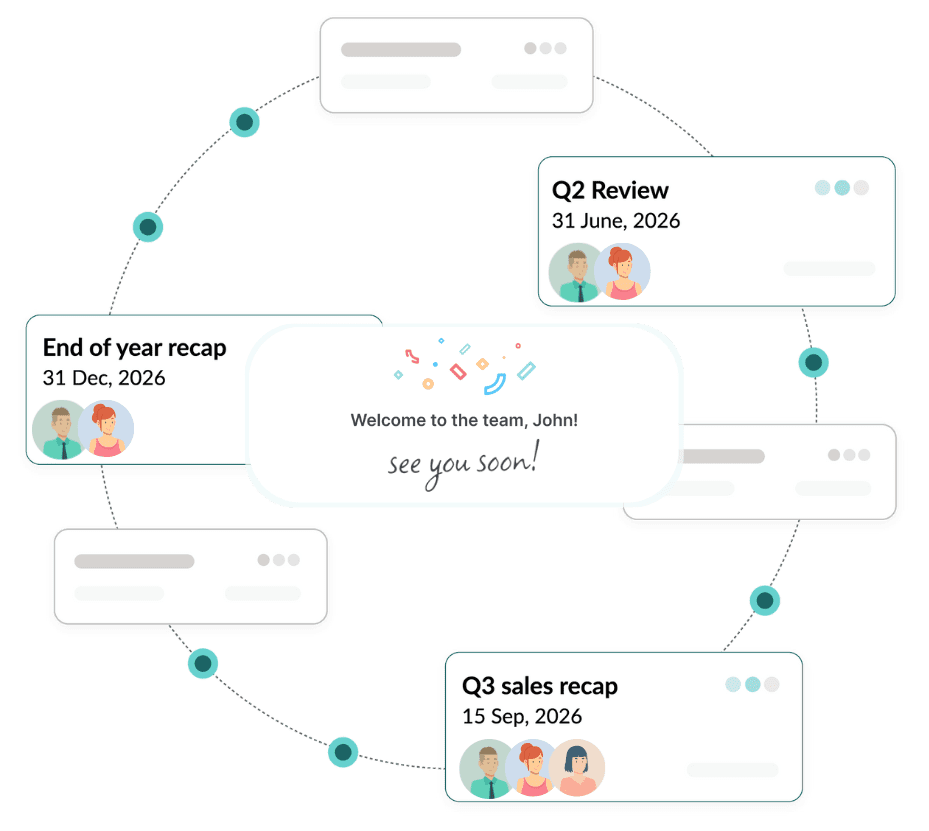
Nurture top talent by keeping track of your chosen performance management methods using our easy-to-use platform. Use our software to:
- Set and track employee goals
- Gather feedback in real time
- Manage and log performance reviews
- Identify skill gaps
- Create individual development plans
- Uncover high performers
- Share recognition
- Automate performance management reporting