

24th October 2024 10 MIN READ •Talos ATS •Hiring Tips
Ensure your onboarding process is in tip-top shape, with our downloadable onboarding checklist, covering everything you need to set your new hire up for success.

Key points
- An employee onboarding checklist should be tailored to the different stages of the onboarding process, from preboarding (the period from when the offer has been accepted to the new starter’s first day), through their first day, week, and months with your company
- Key tasks to tick off during the preboarding stage are: the contract needs to be sent and signed, company policies should be shared, recruitment compliance checks conducted, and any tech will need to be set up ahead of the hire’s first day
- On a new starter’s first day, they should be given an office tour and health and safety talk, and be introduced to immediate coworkers. Consider allocating an ‘onboarding buddy’ to new hires too
- During a new employee’s first week, they should start to meet the wider team and have their first 1:1, where initial short-term SMART goals should be set
- Throughout a new hire’s first three months, spend time on training, set longer-term goals, and take the time to ask for feedback on the onboarding process to improve it in future
Contents

What is onboarding?
Employee onboarding is the process between a candidate accepting a job offer and their first day. Typically the onboarding process will consist of conducting essential paperwork, completing any necessary background screening, and ensuring everything is set up for the employee’s first day.
Getting your onboarding right doesn’t just help your new hires settle in quicker; it’s much more than that. Onboarding helps to increase speed to competency, enhance employee engagement and even improve retention rates.
What is an onboarding checklist?
An onboarding checklist is a guide for hiring managers and talent acquisition specialists to follow to ensure their onboarding process runs as smoothly as possible.
Your new employee checklist is the perfect tool for recruiters to have to hand when hiring new talent. Our employee onboarding checklist covers everything from preboarding to post-onboarding, covering everything employers must do to ensure new employees get off to a flying start.
While every role will have a slightly different onboarding process, by following our ultimate HR onboarding checklist template, you can cover all the basics, giving your new starters the best chance of succeeding at your organisation.
Onboarding checklist
The first day of a new job is a nerve-racking time for anyone. Give your new employees the welcome they deserve by following our new employee onboarding checklist below:
1. Office tour/health & safety talk
Take the time to show new starters around the office. Show new hires where to find the toilets, kitchen facilities (including where to find everything they need to make a tea or coffee), meeting rooms (explain how to book one, too), and fire exits.
Use this opportunity to share any health and safety pointers. Let them know who to raise any safety concerns with, and ensure they know the procedure to follow if the fire alarm sounds. You never know when there’ll be an incident, so this step needs to be near the top of every staff onboarding checklist.
2. Prepare all necessary paperwork
Before a new starter’s first day, you should take the time to prepare all necessary paperwork. If there are contracts, internal policies and other agreements they’ll need to sign, make sure these have been printed or are available to sign electronically on their first day.
When the new starter arrives for their first day, conduct the office tour, then go through any paperwork before you move through the rest of the new employee checklist. Once all of this is sorted, it’ll be time to meet the team and start getting stuck in.
3. Present them with a new employee welcome pack
Presenting new starters with a new employee welcome pack can be another good addition to your onboarding checklist.
A typical new employee welcome package might include:
- A card signed by the CEO welcoming them to the company
- Employee handbook
- Essential HR paperwork (this can be a slightly nicer way to hand this to a new starter that doesn’t feel quite as formal)
- Induction guides
- A postcard showing company values
- Information on employee benefits
- A branded lanyard for their staff pass
- Branded items they can use on their first day
Having these things in your HR onboarding checklist can help your new starters feel as part of the team immediately
4. Meet the team (not just immediate coworkers!)
The next step on our new employee checklist is to introduce new starters to the whole team. Coworkers are a vital support network when beginning a new role. Introduce your new employees to their immediate coworkers, as well as heads and members of different departments.
Context is important for new recruits; putting them in contact with colleagues from different departments is key to giving them a positive start. Run welcome sessions if possible, and ensure new employees are aware of the leads and representatives of all relevant departments.
If you’re onboarding new employees remotely, the first few points in this list will look a little different, as tech will need to be sent to their home, and they may not require a traditional office tour. However, it’s arguably even more essential for them to get to know their colleagues, so set up virtual calls where they can meet everyone they need to and encourage follow-ups.
5. Allocate an ‘onboarding buddy’
Support new employees through their first week by allocating an ‘onboarding buddy’ – an established team member who is capable of addressing their concerns. This 1:1 support will help them to get used to their new role and fit into the wider team culture.
Select a strong onboarding buddy before the new starter’s first day. Make sure this is someone who feels comfortable assisting their new colleague and has the time and space available to address their concerns.
6. Set short-term goals
Next up in our employee onboarding checklist is to give new hires some clear direction in their first week by setting achievable short-term goals. A great way to do this is by following the SMART targeting structure.
Starting a new role can be overwhelming, so setting ‘first day’ or ‘first-week’ goals is a great way to give new employees some momentum. Tie these in with their wider responsibilities, and make sure they provide positive learning opportunities. Make sure to give them any support they need to achieve their first set of goals.
7. Send a welcome to the team email
In the typical busy organisation, not everyone will be on hand to greet new employees on their first day. Writing a welcome to the team email is an effective way to introduce the new starter to the whole team or even the whole company, so everyone knows their name, their role, and what they’ve been hired to work on.
A new employee welcome email should:
- Let everyone know the new starter’s name (including how they prefer to be addressed)
- Include a little bit about their previous experience, such as ‘they join us from [company name]’
- State their job title and which team they’ll be working with so people know where to find them
- Touch on their responsibilities; for example, ‘Sarah is joining us to work on [specific project]’
- Encourage existing employees to reach out to introduce themselves or to say hello if they see them in the office
8. Review their first day & address any concerns
Tim Clifford, Talent Insights Specialist at Talos360, recommends: “Feedback is a vital part of people management. As part of the employee onboarding checklist, sit down with new starters at the end of their first day or week to review their progress and address any concerns.”
Here are a few things to ask new employees when reviewing their first day:
- Do you understand your responsibilities and how these tie in with the wider business?
- Is there any aspect of the business you’d like to learn more about?
- Are there any areas where you feel you need extra support?
- What can I do to best support you through your first week/month?
As their manager, it’s your priority to ensure recruits are supported in starting their new role. Make sure to give them any support they need, and leave room to adapt your strategy for onboarding new employees to meet different individual’s needs.

Preboarding checklist
An often overlooked stage of the employee onboarding process, preboarding is the time between a candidate accepting a verbal job offer and the start of the traditional onboarding process.
To help you build a successful preboarding process, we have detailed the most important preboarding steps any onboarding checklist should have.
1. Verbal job offer
The start of any preboarding process and the start of our employee onboarding checklist is the candidate’s accepting a verbal job offer.

The job offer is the start of a candidate’s journey with your organisation. Once your candidates have given you that verbal agreement, you can progress with the rest of your HR onboarding checklist.
2. Set up their tech/equipment
Technical difficulties can be a huge setback during your new employee’s first week. Set up their tech and equipment in the days before they arrive and ensure they can use it effectively.
This may include setting up accounts, assisting with log-in, and providing all necessary hardware. Preparing these in advance will prevent any unnecessary delays, which is why we recommend having this right at the top of your new employee onboarding checklist.
3. Onboarding microsites
A necessity for every HR onboarding checklist is an onboarding microsite. Microsites act as a portal for new employees to access everything they need ahead of their first day. Candidate microsites are also a great way to build momentum and excitement during a candidate’s notice period.
Every onboarding microsite should include:
- Details about your company culture
- A new hire’s future role responsibilities
- Their reporting and feedback loops
- Any relevant training modules for their role
4. Recruitment compliance checks
An essential part of any onboarding checklist, is pre-employment background screening. Depending on the role, your new hire may require a number of recruitment compliance checks, but every new employee will require a right-to-work check.
Conducting background screening may require new starters to hand their completed paperwork into the office, but with most modern applicant tracking systems, these essential checks can be completed digitally, speeding up the onboarding process considerably.
5. Reference checks
If you haven’t already included reference checks to your new hire onboarding checklist, now is a great time to reach out to your new employees’ old employers and request a reference.
6. Make your new hire feel part of the team
As you work through your employee onboarding checklist template, it’s important to engage your new hires throughout. Introductory welcome emails, early introductions to the team, adding new starters to group chats, and even assigning a preboarding buddy can help employees feel as though they’re part of the team from day one.
This not only helps to avoid candidates getting cold feet on their first day, but it can also increase work performance and employee engagement.
7. Welcome email
Until this point, candidates may have only been in contact with hiring managers or recruiters. At this stage of your HR onboarding checklist, line managers should send a welcome email introducing themselves and their position in the team.
In your welcome email, it’s a good idea to share any extra details about the role, an introduction to the team, and answer any frequently asked questions new starters have.
90 day onboarding checklist
Another overlooked section on most onboarding checklists is post-onboarding. Post-onboarding is typically the time after an employee’s first day and 90 days into their tenure.
Here are some important points to add to your new employee checklist to get the very best out of your new hires.
1. Set long-term objectives
Setting short-term objectives is important for any staff onboarding checklist, but when considering post-onboarding, it’s important to look further at employees’ first couple of months and what is expected of them.
When setting some long-term objectives or more new starters, remember to be realistic and involve them in the discussion. Make sure to schedule regular 1:1 meetings to discuss long-term objectives and offer support when necessary.
2. Additional training
Have you offered any additional training to your new hires? If not then this is definitely one to add to your HR onboarding checklist. Providing additional training will help employees increase their competency, better understand the role and perform better in their first couple of months.

While training can be an additional cost for employers, it is a considerable benefit for new starters and something that will help to influence a new starters decision to remain at your organisation.
3. Continued support
If you follow each point of our employee onboarding checklist, you’re likely going to have an engaged employee on your hands, and we imagine you’d like to keep them that way.
Scheduling regular one-to-one meetings and casual meetings and celebrating any successes are sure ways to maintain engagement and ensure long-term retention.
4. Gather feedback
The only way you are going to continuously improve your onboarding process is by requesting feedback from those who have just experienced it. While gathering feedback is last on our onboarding checklist, it is a crucial part of improving the way you are in future campaigns.
Ask your new hires what they enjoyed about the process, what was most valuable to them, and how you could further improve your process in the future.
And just like that, we’ve come to the end of our staff onboarding checklist. If you want to refer back to our checklist every time you onboard new employees, you can download a printable version of our employee onboarding checklist template right here.
Benefits of an employee onboarding checklist
An employee onboarding checklist doesn’t just bring some stability to your onboarding process; it ensures your onboarding is as good as it can be. Some of the benefits of implementing a new employee checklist include:
1. Improved performance
There’s nothing worse for a new starter than turning up to a new role with no guidance or equipment. Following a complete employee onboarding checklist ensures your new candidates are ready to perform in their new role immediately.
2. Increased retention
A reported 93% of recruiters believe that a good employee onboarding process is crucial in influencing an employee’s decision to stay at an organisation. With the right onboarding process, there’s less chance of an early departure.
3. Recruitment compliance
Each organisation will have essential background checks they must carry out for their roles. Whether it be right-to-work checks, DBS checks, conducting these pre-employment checks is crucial for your recruitment compliance.
Following a thorough onboarding checklist for managers ensures employers never miss these necessary checks before candidates put pen to paper.
4. Higher engagement
A reported 89% of employees receiving a comprehensive onboarding reported a significant boost in their engagement at work. With the right new employee checklist, organisations can ensure their new employees are motivated and ready to work from day one.
Introducing…
Talos ATS: Employee onboarding suite
With your onboarding checklist to hand, you know what it takes to build a successful onboarding process; the next step is to implement onboarding software to put them into practice.
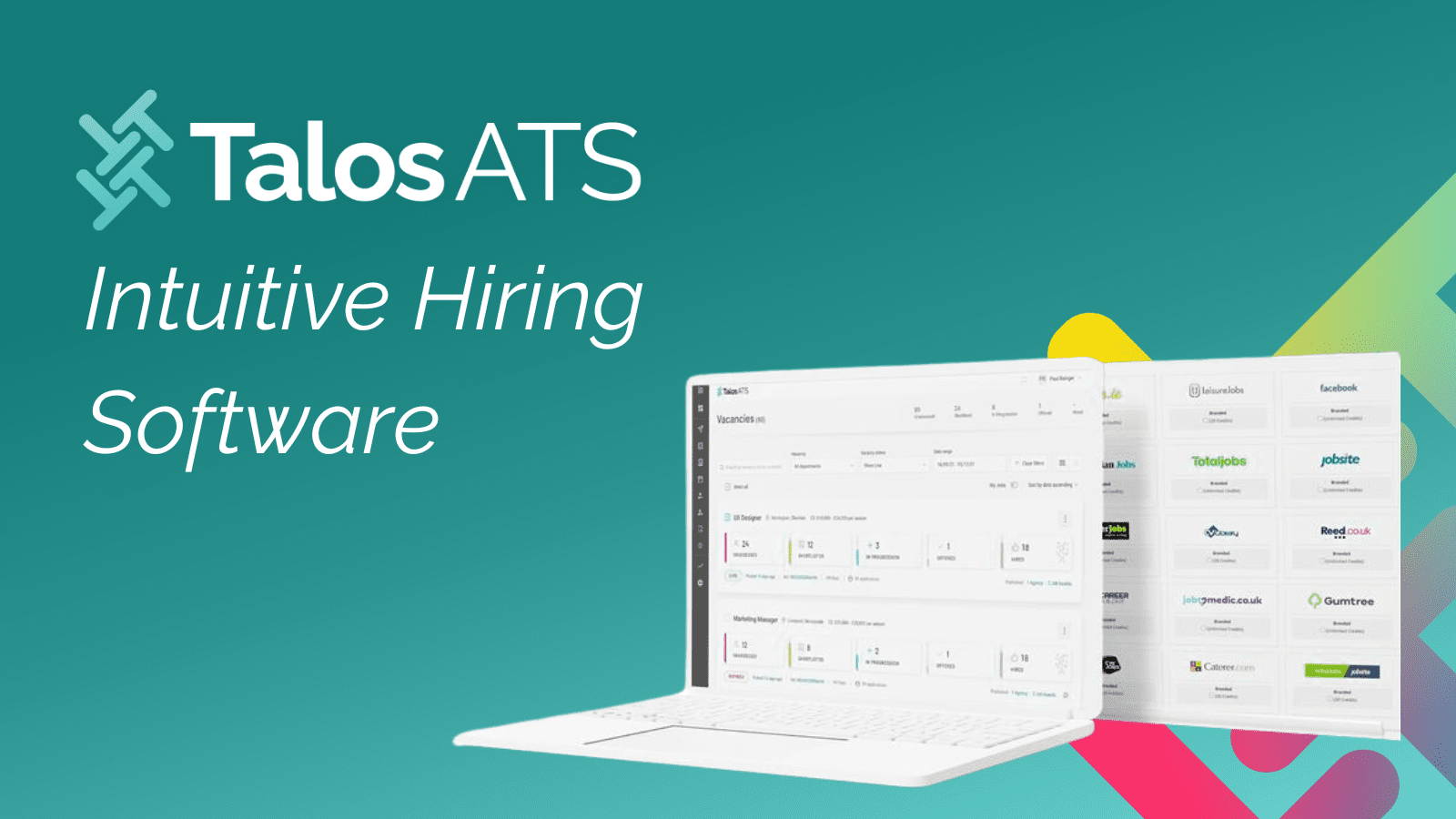
Talos ATS lets you attract, manage, hire, and onboard new recruits effectively. The end-to-end recruitment platform provides intuitive new employee onboarding tools to support new hires joining your company.
- Integrated welcome email/onboarding tools
- Compatibility with your onboarding microsite
- Video interview software to promote positive contact
- Next-generation applicant tracking system
- Essential right-to-work-checks
- Background checks including Enhanced DBS checks
With Talos ATS, onboarding new employees has never been easier. Discover an easier way to attract, hire and onboard the best talent.