
30th April 2021 7 MIN READ •Hiring Tips •Talos ATS
Key takeaways
- Video interviews are conducted online via platforms such as Microsoft Teams, Google Meet, Zoom, or an applicant tracking system like Talos ATS, which includes an in-built virtual interview room
- On-demand interviews are also known as one-way video interviews, and involve job applicants recording themselves while answering a series of predefined interview questions
- Video interviewing enables a more accessible interviewing process, with reduced risk of unconscious bias eliminating final decisions
- The benefits of video interviews for employers include the ability to reach more candidates, hire faster, and watch recorded interviews back
- The benefits of video interviews for candidates include more flexibility, as there’s no need to travel for a physical interview, which can enable a better overall candidate experience

Table of Contents
What is video interviewing?
Video interviews are job interviews conducted online instead of the traditional in-person interviews. Most HR professionals interviewing online use an ATS (applicant tracking system) or a third-party interviewing software such as Microsoft Teams or Zoom to conduct their interviews.
Benefits of video interviewing
The popularity of video interviewing has increased significantly over the last five years in conjunction with the rise of remote/hyrbid working, and many internal recruiters have since implemented video interviewing software into their recruitment process.
The benefits of video interviewing are felt by both employers and candidates alike. From increasing candidate reach and reducing time to hire to improving a candidate’s journey and reducing unconscious bias, it’s clear to see why employers are keen to learn more.
Below we’ll share the pros and cons of video interviewing, the benefits of virtual interviews and why you might want to reconsider your more traditional interviewing process.

1. A more accessible hiring process
Accessibility in hiring is essential, and as more businesses continue to strive for inclusive recruitment methods, many have turned to virtual interviews to assess their candidates. This is where recruiters really see the benefits of video interviewing.
Location has always been an obstacle for recruiters, especially when hiring for those niche roles. With hybrid working practices and video interviews, employers can reach long-distant candidates, opening new job opportunities to candidates who cannot attend in-person meetings.
For individuals with disabilities, caregiving responsibilities, or other commitments, the benefits of video interviewing are significant, as virtual interviews provide a fair and inclusive hiring process.
2. Eliminate unconscious bias in interviews
As a recruiter, you’ll know that unconscious bias often creeps into the recruitment process during the interview stage. Using video interviewing benefits employers as it promotes diversity & inclusion in various different ways by opening up job opportunities to everyone.
Another advantage of video interviews is the ability to record individual sessions. Recording interviews allows for more key decision-makers to be involved in the selection/review process, reducing the risk of individual bias.

Take eliminating bias with video interviewing one step further by introducing AI-powered interview insights into your interview process for an unbiased summary of your interviews.
3. Reach more candidates
It’ll come as no surprise that reaching more candidates is one of our top video interviewing benefits. Virtual interviewing broadens your reach over more of the best talent in the job market, removing locational and situational challenges for your applicants.
By interviewing virtually, even if it’s just your first stage interviews, you can ensure candidates can pursue opportunities from any location, and at any time.
The advantages of video interviewing are especially effective when countering geographical challenges, such as when individuals are looking to relocate for work but may not be able to make a short-notice interview.
4. Flexible interviewing
Finding the time to attend interviews can be tough for candidates already employed, especially if they have significant responsibilities or work shifts. They either have to book a holiday day or sneak off during their lunch break.
One of the most appreciated benefits of video interviewing for candidates is the ability to step away from their current job and join a virtual interview from their office or home. This increased flexibility doesn’t just save your candidates from wasting holiday days but helps to increase your interview attendance.
5. Speed up hiring process
As a recruiter, you know just how long the interviewing process can take. In fact, recent studies suggest that up to 1 in 4 businesses are spending 10 hours or more scheduling interviews. So, to try and reduce this, many have turned to virtual interviews.
One of the most important benefits of video interviews for hiring managers is the ability for candidates to schedule their own time and date for an interview. This allows candidates to choose times that might otherwise prove tricky for in-person interviews and gives them more control over their candidate journey.
Candidates scheduling interviews isn’t just one of the advantages of video interviews; it helps to improve time to hire and reduce candidate dropout rates.
6. Record and replay
Shaun Kirk, Chief Technology Officer at Talos360, says: “A common issue we find recruiters running into is wanting more than one person present during the interview. But with such busy schedules, hiring managers often struggle to find the time. Recording interviews is a game-changing feature for employers.”
With virtual interviews, hiring managers can interview, record it, and send it to any other party wanting to review it. Not only does this help to speed up the interviewing process as a whole, but it allows more decision-makers to assess candidates accurately.
7. Improve candidate experience
Many companies don’t like to become ‘reliant’ on new forms of technology – especially where recruitment is concerned. Some HR professionals feel that tools like interviewing may negatively impact their candidates’ hiring experience. However, this could not be further from the truth!
With video interviewing, companies can provide candidates with a faster turnaround from application to interview. This allows employers to engage with their candidates faster, setting them ahead of any competition, and leading to a more straightforward, accessible candidate experience.
It also means that applicants won’t need to commute to your headquarters for multiple interview sessions. This makes life easier for candidates, and also broadens your geographical reach over more of the best talent.
8. Ease of use
You don’t need to be a technophobe to find adopting new technology rather daunting. However, this perception is often down to a lack of accessible support from software providers…
With Talos ATS, you are provided with fast, accessible support from genuine experts who can help with both the installation and continued use of the remote hiring system.
Talos allows you to attract, screen, interview, regret, hire, and onboard your candidates remotely, lifting the burden of recruitment admin, and saving valuable time and effort for your team. Once installed, you will feel the benefits of Talos instantly, as you make the move to a smarter way of hiring.

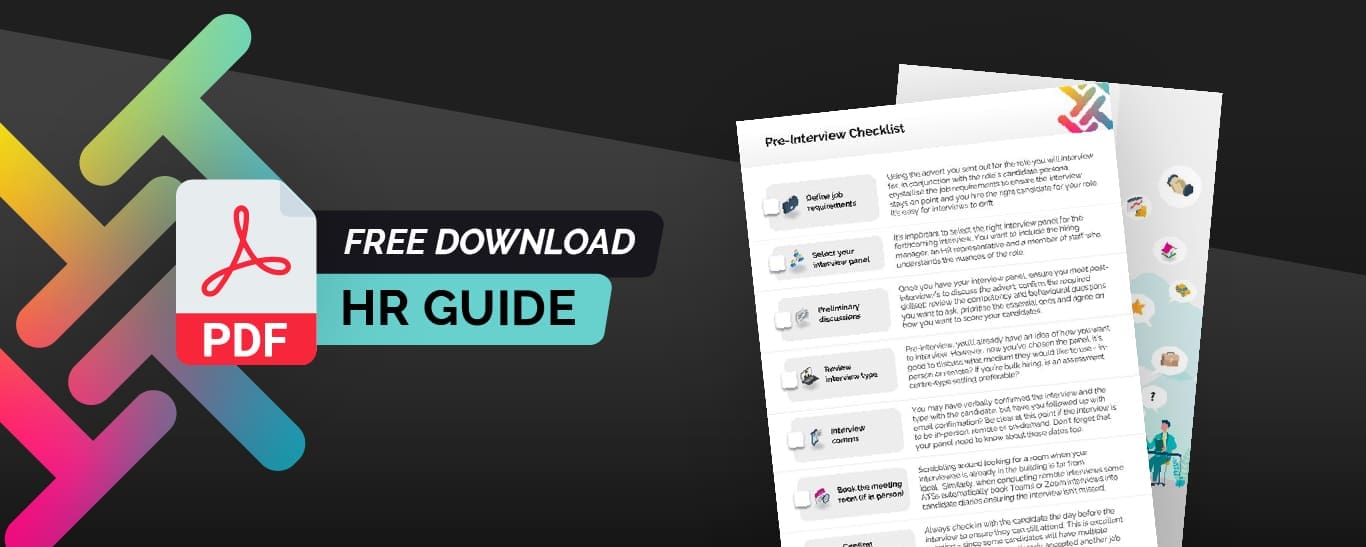
Want to make your interview process as stress free as possible? Check out our FREE interview checklist, purpose built with hiring managers in mind.
Disadvantages of video interviewing
Video interviews certainly have their uses in recruitment, and it’s not hard to see why 86% of hiring managers prefer virtual interviews during the first stages of the recruitment process.
But that’s not to say they don’t have their limitations; there are still plenty of instances where recruiters prefer an in-person interview over remote.
1. Candidates miss out on company culture
A bit part of the interview process is being able to sell your organisation to candidates by promoting your employer brand and demonstrating your EVP. Despite the many benefits of video interviewing, it’s difficult for hiring managers to demonstrate the company culture whilst interviewing remotely.
If candidates interview on-site, they get a better experience of what it’s like inside the office or their potential place of work. It gives organisations an extra point of contact to interact with candidates and ensure they are potentially joining a welcoming, great place to work.
2. The right hiring software is required
One of the main advantages of video interviewing is the ability to interview candidates at any time, from anywhere. But to do that, you need the right system in place.
There are many dedicated video interview software and hiring systems like an ATS that will facilitate virtual interviewing, but these come at a cost. Before you go ahead and choose an ATS that you want to use, make sure you are going to see the benefits of video interviewing and gain a healthy return on your investment.
3. Candidate tells and non-verbal cues
Ask any recruiter, and they’ll tell you that there’s much more to assessing candidates than just listening to their answers. There are plenty of candidate cues hiring managers will pick up on when interviewing in person, something that isn’t as easy to identify with video interviewing.
That’s not to say that video interviewing doesn’t have its advantages. Hiring managers can record virtual interviews, something that isn’t a viable option for onsite interviews, allowing recruiters to replay interviews and spend time looking for any candidate tells or non-verbal cues.
What are on-demand interviews?
On-demand interviews or one-way video interviews are virtual interviews in which candidates record themselves answering predetermined interview questions. On-demand interviews are conducted using a virtual hiring software or an ATS, allowing candidates to record their answers and are often used by recruiters for initial first interviews and candidate screening.

Benefits of on-demand interviews
On-demand interviews are still relatively new in the world of HR yet an estimated 61% of organisations are already putting them into practice. On-demand interviews share similar video interviewing benefits, but some set them apart.
1. Streamlined hiring process
Many hiring managers struggle to manage high-volume recruitment. With so many candidates, it’s difficult to give each one the time and attention they deserve. With on-demand interviews, recruiters can save time attending various initial first interviews and collect the answers they need in video form.
Not only does this streamline the initial stages of the hiring process, but it allows hiring managers to make better hiring decisions.
2. Improved flexibility
Although flexibility was one of the strong video interviewing benefits mentioned above, they still require a hiring manager to take time out of their day to conduct an interview. By implementing on-demand interviews, recruiters can save valuable time that would otherwise be taken up and focus on reviewing candidate’s responses and
3. Reduces candidate anxiety
Even for some candidates, video interviewing is a stressful experience. With on-demand interviews, candidates can record and rerecord their responses to predetermined questions as many times as they need. This allows candidates to get their answers right without being overshadowed by nerves, which might occur when interviewing virtually.
Introducing…
Video interviewing made easy with Talos ATS
With Talos, you gain access to a user-friendly virtual interview room, which allows you to conduct video interviews easily and flexibly.
This will help your business adapt to the changes that come with remote/hybrid working, as well as promote accessibility, diversity & inclusion, and increase your volume of strong candidates.

Talos video interviewing feature includes:
- Next-generation Applicant Tracking System
- Video screening and interview platform
- Automated progression of your strongest applicant
- SMS/email update automation for candidates
- AI-powered interview insights
Make sense of remote hiring – gain access to the best virtual recruitment tools with Talos: