
8 signs your ATS may no longer be supporting your hiring strategy
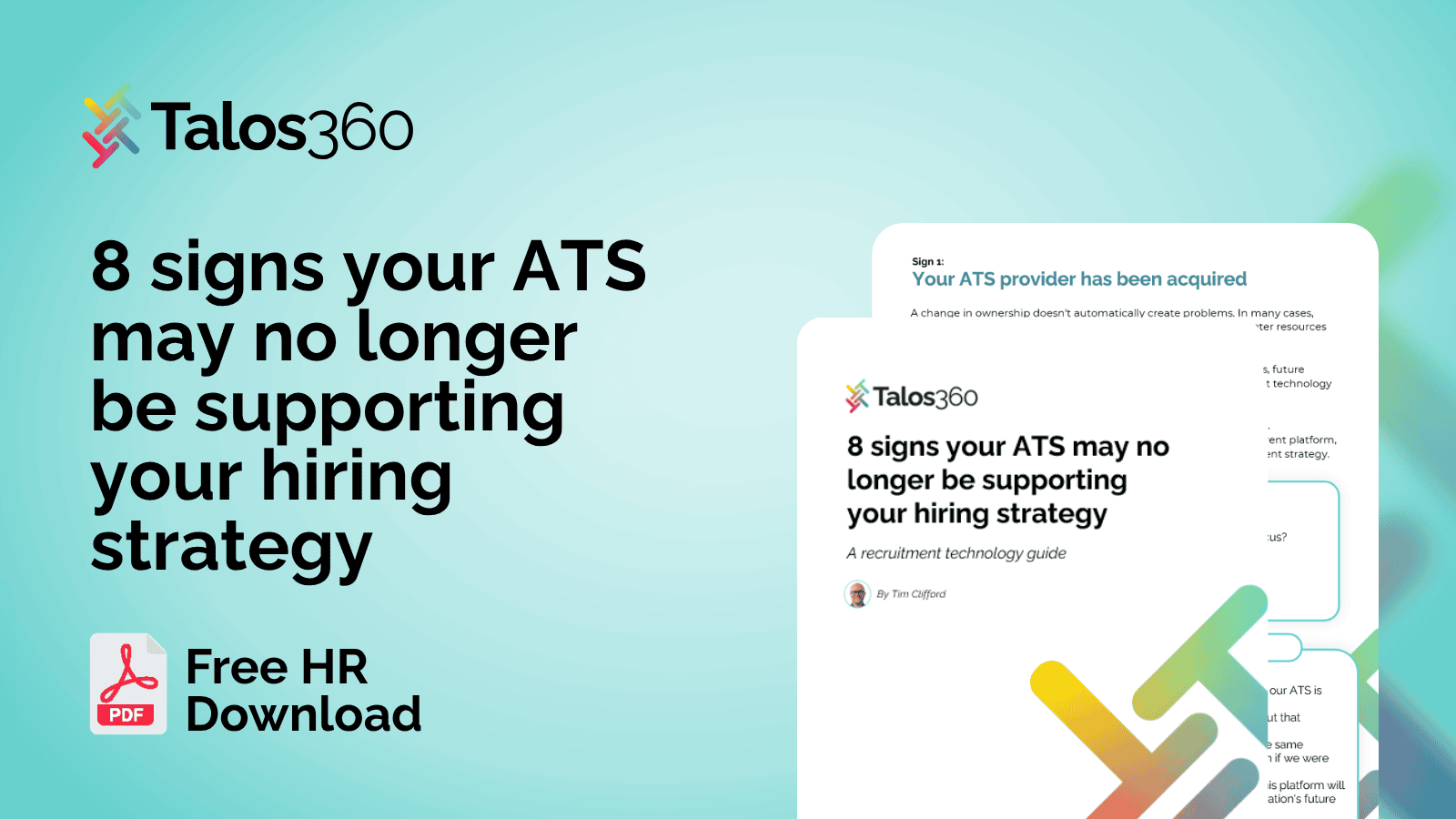
Most organisations do not replace their applicant tracking system because it stops working. They review it because their hiring requirements, candidate expectations and recruitment goals have evolved.
What once felt like the right platform can gradually become less effective as recruitment technology advances, AI capabilities develop, reporting requirements increase and hiring teams are expected to do more with less. The challenge is that these changes often happen slowly, making it difficult to identify when your current system is no longer delivering the value it once did.
This guide explores eight common signs that organisations may have outgrown their existing ATS, from increasing administrative burdens and poor careers site performance to evolving candidate expectations and AI uncertainty.
Rather than focusing on features alone, the guide helps HR and recruitment leaders assess whether their current recruitment technology is supporting long-term hiring success, improving efficiency and delivering meaningful business outcomes.
In this guide, you’ll discover:
- How to identify whether your ATS is creating unnecessary friction
- The warning signs that recruitment processes are becoming inefficient
- Why candidate expectations may have outgrown your technology
- How AI is reshaping recruitment and what that means for your hiring strategy
- The hidden costs of standing still with recruitment technology
- The questions every organisation should be asking about their ATS provider
- How to evaluate whether your current platform is still the right long-term fit
- Practical considerations for reviewing your recruitment technology strategy
Download the guide to benchmark your current approach and understand whether your ATS is helping you achieve the recruitment outcomes that matter most.
If you’d like an independent assessment of your current recruitment technology, you can also request a complimentary Recruitment Technology Review from the Talos360 team.
Download today