
22nd April 2024 6 MIN READ •Talos ATS

While essential, creating a more diverse and inclusive workspace is complex and requires a dedicated understanding of the unique challenges that neurodivergent applicants face during your recruitment process. For any business striving to embed inclusivity into its team and workspace, educating itself on the broad spectrum of neurodivergence is an essential first step.
In this article we’ll discuss how businesses, like your, can easily tailor their recruitment and onboarding process to better support neurodivergent employees, and promote inclusivity when hiring.
What is Neurodivergence?
Neurodivergence encompasses a spectrum of neurological differences that diverge from the typical cognitive and developmental patterns, such as Autism Spectrum Disorder (ASD), Attention Deficit Hyperactivity Disorder (ADHD), Dyslexia, and Dyspraxia.
These conditions often affect social, communication, and cognitive skills, presenting unique challenges during recruitment. These differences represent diverse ways of experiencing and interacting with the world.
Why Can Recruitment Processes Be Challenging for Neurodivergent Applicants
Traditional recruitment practices sometimes create obstacles for neurodivergent individuals. While this is usually unintentional, these hurdles significantly impact the applicant and the business.
Here are just a few challenges neurodivergent applicants face:
1. Standardised testing and rigid interview formats:
The typical face-to-face interview we’ve all experienced can disadvantage those with different processing styles.
For example, asking someone with dyslexia or ADHD to sit a timed test might not accurately showcase their abilities due to reading or concentration challenges. Similarly, conventional face-to-face interviews that heavily rely on eye contact and social cues can be challenging for individuals on the autism spectrum, potentially leading to misunderstandings about their suitability for the job.
2. Social cues and non-verbal communication:
The social aspect of an interview can be tricky for neurodivergent applicants to navigate.
This mismatch could mean deserving candidates are overlooked because of misinterpretations rather than lack of skills or abilities. These challenges can be even more pronounced when recruiters don’t make accommodations or adjustments during the hiring process, like offering alternative interview styles or more explicit instructions.
3. Insisting on ‘excellent communication skills’:
Job ads that repeat the importance of communication skills can also unintentionally exclude neurodivergent individuals. They fail to recognise the diverse and often specialised talents that these neurodiverse applicants bring.
Employers must understand that neurodivergence doesn’t equate to a lack of skill or talent. Instead, what’s needed is a reassessment and adjustment of recruitment practices to fairly evaluate the wide range of abilities and perspectives that neurodivergent employees offer.
4. Sensory Sensitivities:
Many neurodivergent individuals have sensory sensitivities, which can be exacerbated in busy or overwhelming environments typical of recruitment processes. Bright lights, loud noises, or crowded spaces may heighten anxiety, leading to no-shows or not interviewing to the best of their ability.
Asking whether the candidate requires any reasonable adjustments for their interview, such as a quieter space, low light, or temperature control, can significantly improve their chances of showcasing their talents and skills.
5. Implicit Bias and Stereotyping:
Hiring managers and recruiters may hold unconscious biases or stereotypes about neurodivergent employees, leading them to overlook their qualifications or potential contributions. This can result in missed opportunities for talented candidates.
The applicants may withhold information about their neurodiversity for fear of stigma or rejection, meaning they will miss out on any reasonable adjustments the employer is happy to make.
By embracing and understanding the challenges neurodiverse individuals face, we recognise and value the strengths and perspectives that neurodivergent individuals bring to society.

Developing Neurodiverse-Friendly Job Ads
While writing a job advertisement might be hard, it can be even more challenging for neurodivergent candidates.
For example, adverts that use complex language or industry-specific jargon can be difficult for neurodiverse individuals to process and understand, especially if they have communication difficulties. Some ads lack clarity in outlining the tasks and requirements of the jobs, while neurodiverse individuals often prefer clear, concrete information, and vague job descriptions can be confusing or intimidating.
Lastly, while some ads are vague, others contain an overwhelming amount of information.
When recruiting neurodivergent individuals it’s important to note that applicants may struggle to process and prioritise this information, leading to decision paralysis or confusion.
A more inclusive recruitment process must start with your job advertisements.
- Use clear and straightforward language
- Explicitly state expectations and requirements
- Focus on skills and abilities
- Offer flexibility
- Avoid implicit bias
- Provide alternative application methods
Most importantly – seek feedback: Before finalising the job ad, seek input from neurodiverse individuals or advocacy groups. They can provide valuable insights and feedback on how to make the ad more inclusive and welcoming.
Implementing these strategies can help you create a job advertisement that attracts a diverse pool of candidates and nurtures a culture of inclusion within your organisation.
Removing Unconscious Bias during the Recruitment Process
Unconscious biases are those instinctive judgments and evaluations we make about individuals based on ingrained beliefs and social stereotypes, often without realising it.
These biases create significant roadblocks in recruitment. By actively identifying and addressing these biases, organisations can ensure a more fair and equitable hiring process that appreciates all candidates’ unique strengths and potential, including those who are neurodivergent.
Neurodivergent individuals often bring a wealth of strengths to a team, such as innovative thinking, attention to detail, and remarkable concentration. However, traditional recruitment methods, favouring conventional communication styles, can unintentionally disadvantage these candidates. Therefore, recognising and mitigating unconscious biases is essential to level the playing field and fully harness the valuable skills and perspectives that neurodivergent employees offer.
To counteract unconscious bias, organisations can adopt structured and standardised recruitment approaches. This might involve crafting job advertisements devoid of gendered or culturally specific language, implementing blind application processes that remove identifying details, and using standardised interview questions focused solely on the required skills and competencies. Additionally, providing neurodiversity awareness training for hiring managers and recruitment teams on the nature and impact of unconscious biases, as well as the advantages of neurodiversity in the workplace, can facilitate a more inclusive hiring strategy.
Talos360 helps businesses remove unconscious bias in their recruitment process by providing a platform where applicants showcase their talents, abilities, and skills, instead of relying on traditional written CVs, which can prove challenging for neurodiverse candidates.
By giving applicants non-timed candidate assessments that can be done from the comfort of their homes, employers can focus solely on the candidate’s skills and ability to perform their job.
Ultimately, the goal is to create a recruitment environment where decisions are based on merit, skills, and suitability for the role, free from preconceived notions or biases. This approach not only facilitates hiring neurodivergent individuals but also enriches the workplace with diverse perspectives and ideas, driving innovation and cultivating a more dynamic organisational culture.
Increasing Predictability whilst Onboarding Neurodivergent Employees
Building an inclusive and supportive workplace begins with understanding and addressing the diverse needs of all employees.
Unpredictability can increase anxiety and overwhelm many new neurodivergent employees. These scary and negative emotions can, again, lead to no-shows, high staff turnover, and a lack of productivity. Ensuring your onboarding process is transparent, detailed, and predictable will help your team thrive and build an inclusive workplace for everyone.
Talos360 helps employers create smooth and inclusive onboarding processes by handling all the legal documentation including right to work checks, and pre-employment background screening, scheduling who they need to talk to and providing a clear outline of what to expect on their first day. By doing this, you are helping to remove the fear that comes hand in hand with unpredictability and providing a schedule that allows many neurodiverse individuals to thrive.
Other ways you can increase predictability include:
1. Use visual aids and schedules:
Simple visual timelines, including meetings, training sessions, and social events, can map out the employee’s first week or month. These schedules should be flexible to accommodate adjustments based on the employee’s feedback and comfort level.
2. Structured mentoring or buddy systems:
Pairing a new neurodivergent hire with an experienced employee who understands their needs can provide a sense of security and belonging. This mentor can be a go-to person for questions or concerns, reducing feelings of isolation.
3. Communication:
Regular check-ins, perhaps more frequent than other new hires, ensure issues are promptly addressed and adjustments are made. Managers should foster an open and supportive environment where feedback is welcomed and acted upon.
By enhancing predictability through these measures, businesses can create a nurturing and inclusive environment for neurodivergent employees. This facilitates their successful integration into the workforce and enriches the organisation with diverse perspectives and talents.
By understanding neurodivergence applicants’ challenges during traditional recruitment processes, employers can adopt more supportive, flexible approaches that acknowledge and address these challenges. By doing so, organisations can tap into a wealth of talent, creating a diverse and inclusive workforce that thrives on the unique strengths of every member.
Introducing…
Remove unconscious bias when hiring with Talos ATS
Find the right candidates for your organisations and create a more inclusive hiring process for candidate assessments from Talos ATS.
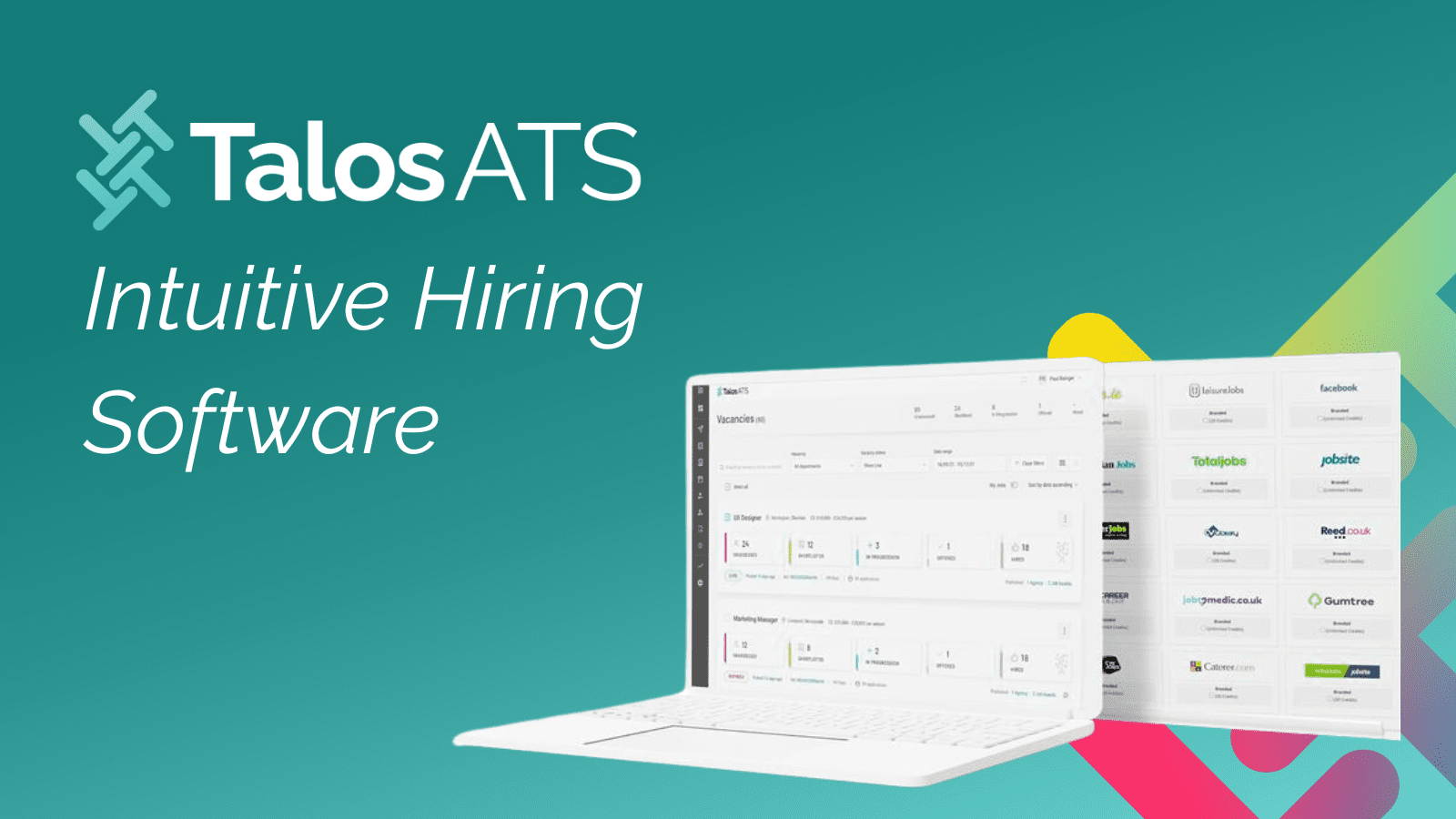
Choose from a variety of aptitude, skills and personality tests directly within our intuitive hiring software, Talos ATS. With our award-winning applicant tracking system, you can hire the candidates with the right skills, and attitude for your business.
Working alongside or instead of traditional CVs, candidate assessments give a true representation of your candidates, so you can be sure that your next hire will improve your business and fit your organisational culture.
Introducing candidate assessments into your recruitment process can remove any potential unconscious bias and help to develop a more diverse and inclusive workforce. Candidate assessments allow candidates, including possible neurodivergent employees, to show their skills and personality, putting every candidate on a level playing field.
Discover an easier way to hire.