
30th June 2021 5 MIN READ •Talos ATS •Hiring Tips

Workforce planning is a crucial part of preparing your business for future success. It’s how employers identify demand for new talent, and how they intend to acquire the skills they need. Here we discuss the importance of an effective workforce planning strategy, and how your company can achieve it.
What is workforce planning?
Workforce planning is the process of assessing the need for new skills within your workforce, and devising a staffing plan for the future. This includes analysing the skill-set of your current employees, and assessing whether these will meet your changing demands as the business expands.
Any strong business plan should account for the future growth and demands of your business. Workforce planning ensures your company has the skills and resources it needs to accomplish future projects and objectives.
Why is workforce planning important?
As your business expands, you need to ensure your workforce is capable of dealing with increased demand and responsibilities. Here’s what makes workforce planning so important:
#1 – Preparing your business for the future
Prosperity is the long-term goal of any business. For your company to succeed in the long-run, you’ll need to make sure its skill needs are met.
Whether this involves recruiting new talent, outsourcing business processes, or training your existing employees, it’s important to plan ahead to achieve future objectives.
If your workforce doesn’t meet your skill requirements going forward, you’ll find it more difficult to cope with increased demand, and reach key business goals.
#2 – Assessing your future recruitment needs
Talent acquisition is a complex process. Workforce planning allows you to identify your company’s recruitment needs, and create a roadmap for future hiring campaigns.
For example, as your sales team begins to deal with an increase in business, you’ll need to hire more employees/managers to cope with this. Recognising these recruitment needs ahead of time means your employees won’t become overwhelmed by increased responsibilities.
#3 – Building a strong hiring strategy
Recruiting the best talent isn’t easy. By planning your hiring strategy in advance, you can get off to a strong start when the time comes to hire new employees.
This may include expanding your recruitment/HR team, embracing new hiring technology, and preparing the relevant advertising material for talent attraction.
How to manage workforce planning successfully:
Successful workforce planning means assessing your current resources, and identifying how your skill requirements will change as your business expands. Here are four simple steps for planning your future staffing needs…

Here are the key stages of workforce planning…
#1 – Supply analysis
Analyse your company’s current workforce – identify where their skills lie, and how successfully they cope with current demand.
Review the demographics within your workforce. For example, how many of your employees are close to retirement age? Is there a high turnover rate among any specific employee demographics (age/skill-level)?
This will help you to understand which key areas need the most focus in your workforce planning strategy. This may include combating staff turnover, replacing senior employees upon retirement, and recruiting for junior roles when existing staff are promoted.
#2 – Demand analysis
Identify areas of increased skill demand within your business. Which skills will be most crucial to uphold performance as your company expands?
How do you plan to meet increased demand for certain skills? Is it feasible to re-train current staff members to cope with future responsibilities, or do you need to recruit/outsource for certain business processes?
External pressures and consumer demand will affect the performance of internal business processes. As your company takes on new clients/contracts, more talent will be needed to manage and deliver products and services.
For example, as you recruit more junior staff members to deal with increased business, you’ll also need to establish strong management and leadership. You need to ensure your company houses the skills and resources it needs to compete in the growing market.
#3 – Gap analysis
Once you have analysed your current workforce supply, and future skill demands, you need to identify gaps between the two.
This means comparing the skills of your current workforce with the skills your company needs going forward. This will help you to identify which areas require the most support from resourcing, training, and outsourcing.
Identify the number of additional employees your company needs to cope with growing demand. Where should their skills lie? What demographics should you be targeting to attract the most compatible candidates?
For example, if you anticipate exponential growth of clients and customers, you’ll need to plan for sourcing more customer service and sales professionals.
#4 – Develop a solution
Identify how your company will meet increased skill demands. Where will you find the talent you need to achieve future business objectives?
Here are a few common solutions for effective workforce planning…
– Recruiting
If your company requires more employees across key skill areas, it’s best to recruit new talent to meet your needs. This means acquiring new employees to cope with increased business demand across the required departments.
How many employees does your company need to recruit going forward? Which departments would benefit most from workforce expansion, and how will you distribute senior/junior roles?
Make a plan for how you will attract the most compatible candidates, and bring them up to speed with their responsibilities. Can your current recruitment process cope with an increased number of new employees?
– Outsourcing
When demand increases across certain business areas, some companies choose to outsource to external service providers. This may include hiring contractors or agencies to fulfil your company’s changing needs.
An example of business process outsourcing is hiring management, which companies often choose to hand over to recruitment agencies. There are certain benefits and drawbacks you need to consider before outsourcing key skill areas.
– Training and retraining
If you anticipate your workforce taking on more responsibilities, it’s important to devise a training plan to bring staff up to speed. This can often be less costly than recruiting new employees, but requires focus to get right.
Centre on teaching your employees the new skills they need to complete their roles to a high standard. This may include training on new technology, or adapting processes to meet the changing demands of your business.
– Contingent staffing
If you anticipate varying levels of business for your company, you may wish to consider contingent staffing options.
This involves hiring part-time, temporary, or outsourced employees to meet your company’s changing demands. If, for example, business is higher than usual at a certain time of year, you can fill key roles as and when needed.
This ensures your business can cope through its busiest periods, without hiring more employees than is necessary all year round. Contingency staffing is often the most cost-effective option for companies with a dynamic level of business – such as in retail, hospitality, or events sectors.
Introducing…
Talos ATS: Discover easier hiring & workforce planning
Want an easier way to bring new talent to your business? Talos ATS is our all-in-one workforce planning solution, with all the tools you need to deliver successful talent acquisition.
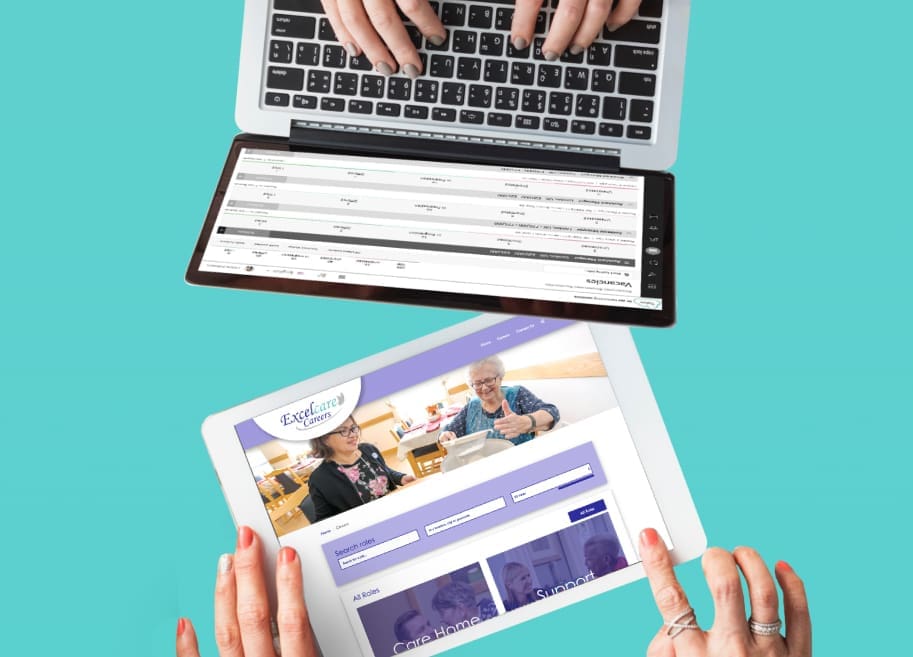
Talos helps your business prepare for its future staffing needs by incorporating all the essential tools for attracting, managing, hiring, and onboarding new recruits. This includes:
- Next-generation Applicant Tracking System (ATS)
- Recruitment advertising/job-posting suite
- Virtual screening and video interviewing tools
- Automated SMS/email updates for candidates
- Automated progression of your strongest applicants
- Fully-branded careers page included
- Employee onboarding tools
With Talos, it has never been easier to manage even the largest of hiring campaigns. Save time, cut costs, and make life easier for your HR team – all while providing a talent-winning candidate journey.
Discover a better way to attract & hire strong employees: