21st February 2024 4 MIN READ •Talos ATS
- Time to fill is the duration of time between a job’s requisition approval and the first day of employment
- Time to fill is the duration of time a candidate is involved in the hiring process, from their first interaction with a job advert to their first day
- While both hiring metrics measure the length of the recruitment process, time to fill gives further insight into the time it takes to launch a recruitment campaign and attract the ideal candidate
- Hiring software like Talos ATS can help organisations reduce their time to fill and time to hire with automated workflows, AI-powered features, powerful integrations and their AI agency, Tali

Table of Contents
Time to hire vs time to fill; what is the difference, and which hiring metric is more important? Often mistaken as the same hiring metric, time to hire and time to fill measure two different yet significant parts of the hiring process. Each metric is a popular metric tracked by HR leaders to determine the overall success of their recruitment campaigns and the efficiency of their teams.
Understanding the difference between time to fill and time to hire can help HR professionals better identify where their recruitment is succeeding and spot any potential gaps that need attention.
What is the difference between time to hire and time to fill
Despite what you might think, there are, in fact, a number of differences between these two key hiring metrics.
What is time to fill?
Time to fill is the length of time it takes to fill a position from the job requisition approval to the end of the onboarding process or once a candidate has started the role.
What is time to hire?
Time to hire focuses on the duration of time a candidate is involved in the hiring process, whereas time to fill reviews each steps of the recruitment process.
Time to hire vs time to fill?
It’s tough to decipher which key metric is more important since both time to hire and time to fill are essential metrics for any organisation looking to hire faster. To achieve an efficient, candidate-friendly hiring process, it’s best practice to track both KPIs and follow a standardised hiring process and recruitment and onboarding checklists.
Talent Insights Specialist at Talos360 Tim Clifford explains: “Both time to hire and time to fill will give HR leaders a different insight into the candidate’s journey and the efficiency of your organisation’s recruitment efforts.”

Time to hire is extremely useful when looking at the candidate experience and helps identify any issues between a candidate applying for a role and accepting a job offer. Whereas time to fill offers an internal insight into an organisation’s recruitment process, ultimately highlighting any internal inefficiencies, helping you to find ways to hire faster.
How to calculate time to hire
Both time to fill and time to time measure different areas of the recruitment process and are calculated differently.
Calculate time to fill
Time to fill is a calculation of how many days an organisation takes to fill a specific role. To calculate time to fill, you must first determine what date the job requisition was approved.
The endpoint of the calculation is the day the candidate accepts their job offer or starts in their new position.
Example:
Company X approved the job requisition on June 1st. A candidate accepted the job offer and started their new position on July 15th. The total time-to-fill this position would be 45 days.
How to calculate time to fill
Calculate time to hire
Time to hire is slightly different; this metric measures the candidate’s journey from applying for a role to accepting a job offer.
Example:
Company Y received a job application for an open role on June 1st. The candidate goes through the hiring process and accepts the job offer on June 17th. The time to hire is 16 days.
You can calculate your average time to hire by slightly modifying the previous time to hire calculation to:
Time to hire (1) + Time to hire (2) / total number of job positions.
What is the average time to hire
The average time to hire in 2025 is 42 days or 6-8 weeks according to recent research from Totaljobs. With another increase from 2024’s time to hire figures, HR professionals are feeling the hit with almost 70% of internal recruiters stating recruitment is taking too long.
The increase in average time to hire in 2025 is no fluke; it’s a combination of changing labour demands, the rise of AI candidates, organisation’s inability to keep up with a growing job market and the widening gap between easy-to-fill and hard-to-fill roles.
For many HR professionals, the answer to reducing time to hire is simple. Invest in hiring processes, remove any potential blockers and implement hiring software like an applicant tracking system to enable faster workflows, automations and AI efficiencies.
Improve time to hire with hiring tech
Talos360’s applicant tracking system has helped hundreds of organisations reduce their time to hire with automated workflows, built-in background checks, right to work checks and popular HRIS integrations – allowing for seamless transfer of candidate data from ATS to HR systems.
Talos ATS enabled Hickorys Smokehouse to reduce its time to hire by 18 days for hourly paid roles and 30 days for senior roles. Through automated right to work checks with Trust ID and Talos360’s integration with Fourth, Hickorys was able to progress their candidates quickly and with less manual intervention.
Improve your hiring efficiency with Talos ATS
Time to hire vs time to fill which one will you track? Both are crucial metrics when looking to measure the efficiency of your next recruitment campaign.
Discover how to improve your campaign’s efficiency and reduce time to hire, with Talos360’s advanced applicant tracking system, Talos ATS.
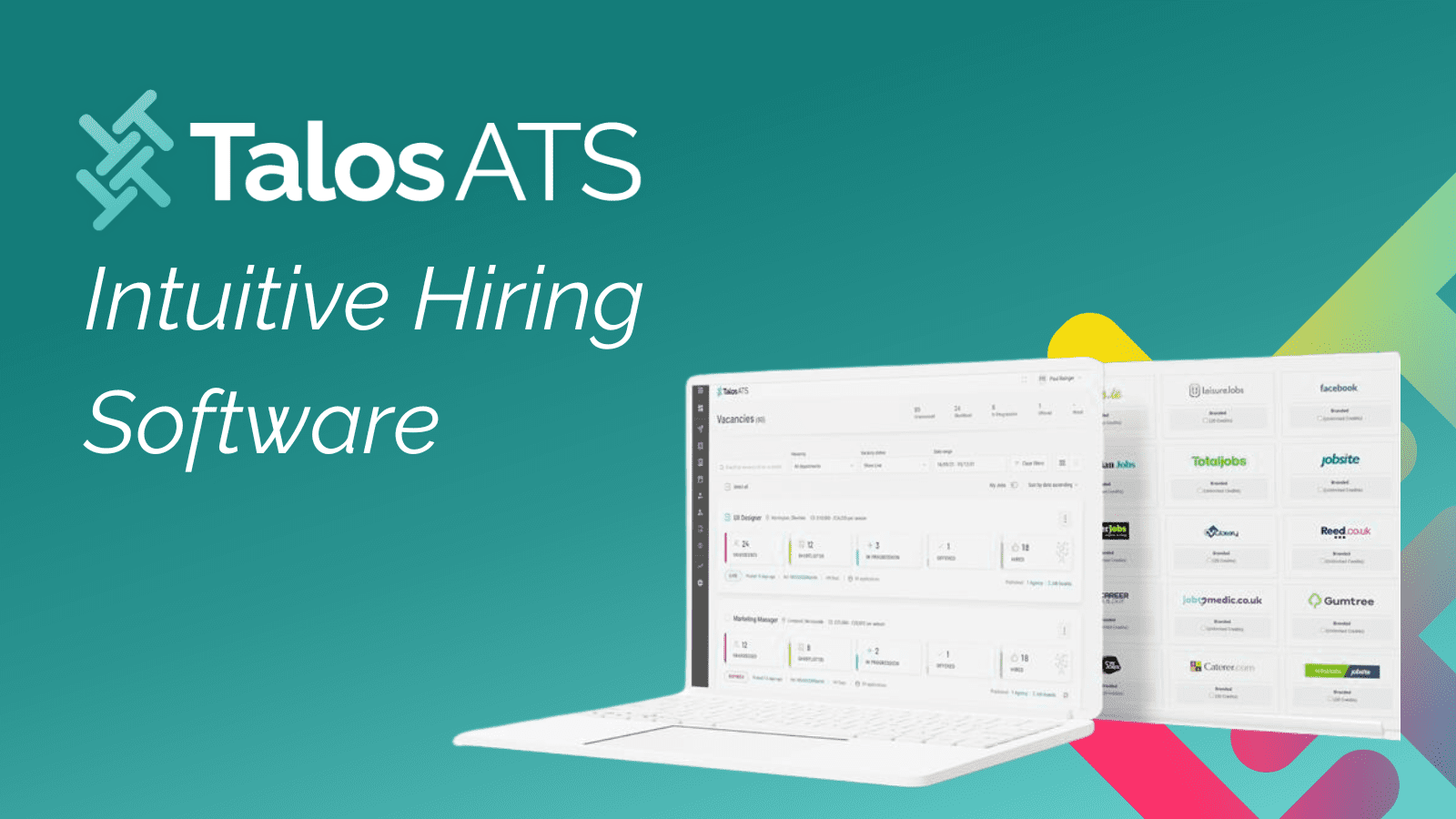
Reduce time to hire with Talos ATS:
- Multi-platform job poster
- Recruitment and advertising suite
- Science-based candidate assessments
- Video interview screening and interview platform
- Fully branded automated SMS & email comms
- Automated progression for strongest candidates
- Remote onboarding tools
- Reference checking & e-signing capabilities
- Integrated background checks
Fill your vacant roles efficiently with Talos360
Time to hire vs time to fill FAQs
Time to hire enables internal HR teams to identify how fast candidates are progressing through the recruitment journey. By measuring time to hire across multiple recruitment campaigns organisations can spot what’s working, and what areas need improvement.
Time to hire can help to spot where candidates are slowing down – whether that be at the initial stages, at the interview stage or during onboarding. By tracking time to hire with advanced reporting and dashboards.
Without tracking time to hire, organisations will struggle to optimise their recruitment process, experience high candidate drop out and deliver a poor candidate experience.
Time to fill enabled organisations to determine how efficient their recruitment process is from its very conception. Calculated from the initial job requisition approval to the end of the onboarding process, time to fill gives a detailed overview of how efficient a recruitment campaign really is.
Measuring time to fill enabled organisations to identify whether recruitment campaigns are wasting time, resources and budget. The lower the time to fill the more efficient a campaign is. A longer time to fill means that organisations have some areas that will likely need to be improved.
It’s important to remember when measuring time to fill that each role is different. Hiring in the hospitality sector and the manufacturing sector will have vastly different time to fill as the recruitment process becomes more or less complex.
Typically a good time to hire will fall in between 4-8 weeks. Depending on the sector you operate in time to hire may be longer.
According to standoutCV the industry with the longest time to hire was the public sector with an average hiring time of 6 weeks in 2024. The sector with the shortest time to hire was the hospitality sector. With a growing number of job seekers in the industry, hospitality recruitment is one of the fastest time to hire.
The best way to reduce time to hire is to invest in an applicant tracking system like Talos ATS. With hiring software in place businesses can then adopt automated workflows, improve candidate experience or optimise recruitment advertising.
To successfully reduce time to hire organisations must first identify what areas of the recruitment process are slowing down the time it takes for candidates to progress. Once identified, the HR team can implement a solution.
If the initial stages of the recruitment process is causing a high time to hire, consider placing your ads on better job boards, improve the way you write job adverts, implement a careers site or adopt a skills based hiring approach with candidate assessments.
Other ways to reduce time to hire is by automating candidate screening and progression, automating candidate communication, implementing AI chatbots to assist candidates and automate onboarding processes.
Measuring time to hire and time to fill enabled internal recruitment teams to identify how efficient their hiring process is, where it may need to be improved and its impact on candidate’s experience. Organisations not tracking time to hire or time to fill often run long expensive recruitment campaigns that drain budget and rarely result in successful placements.
Time to hire and time to fill can be impacted by:
- Job market fluctuations
- Job advert placement
- Career site design or usability
- Internal team inefficiencies
- Lack of hiring software
- Complex or Poor workflows
- Lack of talent pool
- Candidates using AI
- Poor candidate communication
- Lack of resources
- Overwhelmed interviewing schedule
- Recruitment compliance
- Poor onboarding process