
3rd August 2022 4 MIN READ •Employer Advice •Talos Attract

Recruitment can be challenging. It is for this reason that outsourced recruitment consultants are so popular amongst employers – they take the majority of the work for a set/acquisition-based fee. Here we discuss the pros and cons of Recruitment Process Outsourcing (RPO), evaluating whether it’s best to manage the process internally or externally…
“What is Recruitment Process Outsourcing?”
Recruitment Process Outsourcing (RPO) is when a company hires a recruitment agency/consultant to attract and hire candidates for a role.
RPO can be achieved in a number of ways, from management of advertising and job interviews, to complete process outsourcing (attraction, screening, interviewing, selecting).
“What are the benefits of outsourcing recruitment?“
Some of the benefits of outsourcing recruitment include:
- It reduces the workload of your internal HR team
- It often provides a quicker turnaround for hiring new talent
- Recruitment agencies often have access to pools of strong candidates
- For small companies, it can be more practical than managing the process internally
Many companies find that outsourcing recruitment works well for their needs, providing on-demand talent to quickly fill vacant roles.
“What are the drawbacks of Recruitment Process Outsourcing?“
Some of the negatives of outsourcing recruitment include:
- It can often be more expensive than hiring internally
- It reduces candidates’ connection with your employer brand
- Gives you less power to make well-informed hiring decisions
- Doesn’t allow you to implement internal D&I measures
While outsourcing recruitment may seem like an easy solution, its setbacks may have a significant effect on your ability to attract, engage, and retain the strongest talent. It is for this reason that many companies choose to recruit internally – giving them more control than if they were to outsource recruitment.
“How can I recruit in-house?”
Centralsing your recruitment process comes with many benefits, including increased engagement with your employer brand, the ability to pursue D&I, and promoting well-informed hiring choices.

How to hire new talent using your in-house HR team…
Here are just a few ways that employers can hire internally, rather than relying on outsourced recruitment:
1- Utilise applicant tracking software
Applicant tracking software (ATS) has made it easier than ever for employers to centralise their recruitment process. The software allows you to attract, screen, manage, engage, track, and onboard candidates – all from one simple dashboard.
This puts recruitment in your hands, allowing you to fully engage your candidates, while reducing the workload of your HR team.
2- Use video screening/interviewing to reduce staff workload
Video screening and interviewing have become popular hiring methods over the past few years. Video-conferencing software allows hiring managers to connect with their candidates at a time that suits both parties, and from any location.
This not only allows you to engage more candidates by providing more interview slots, but also expands your talent pool geographically.
Video screening/interviewing is also much quicker than face-to-face meetings, saving time for your HR team, and reducing their workload.
3- Develop your employer brand to attract top talent
Your employer brand is your strongest asset in attracting the best talent. To centralise recruitment effectively, this must be optimised to bring the strongest candidates to your vacancies. Key things to consider include:
- Create a dedicated careers site with assets that promote your company culture
- Identify your most popular EVP aspects, and promote these in job advertisements
- Create an employee-centric recruitment process. Promote your values from the very beginning, and use staff testimonials to attract like-minded talent.
A strong employer brand speaks volumes for your business; the more attractive your company seems as a potential workplace, the more talent you will attract. This allows you to centralise your recruitment process, cutting out the need for recruitment agencies, while maintaining a strong flow of candidates.
Learn more about building a talent-winning employer brand.
4- Create an effective onboarding process
A strong onboarding process ensures new employees get off to the best start possible with your company. This has a direct impact on engagement, performance, and long-term retention.
Onboarding is a crucial factor to consider when centralising your recruitment process. The quicker you can get new employees up to speed with your company’s values, culture, and their responsibilities – the better they will perform from the beginning. Consider the following:
- Create an onboarding portal/microsite to inform new-starters effectively
- Utilise video screening/interviews before the employee’s start date to get them up to speed with your company.
- Devise a structured, well-managed training plan to bring new colleagues up to speed.
By correctly planning/structuring your onboarding process, you ensure the success of your internal recruitment strategy. This saves valuable time for your team, as well as promoting success within your workforce.
Introducing…
Talos ATS: Make in-house recruitment easy!
Internal recruitment doesn’t have to be a challenge. With Talos ATS, it’s never been easier to centralise hiring – while attracting the strongest talent in your sector.
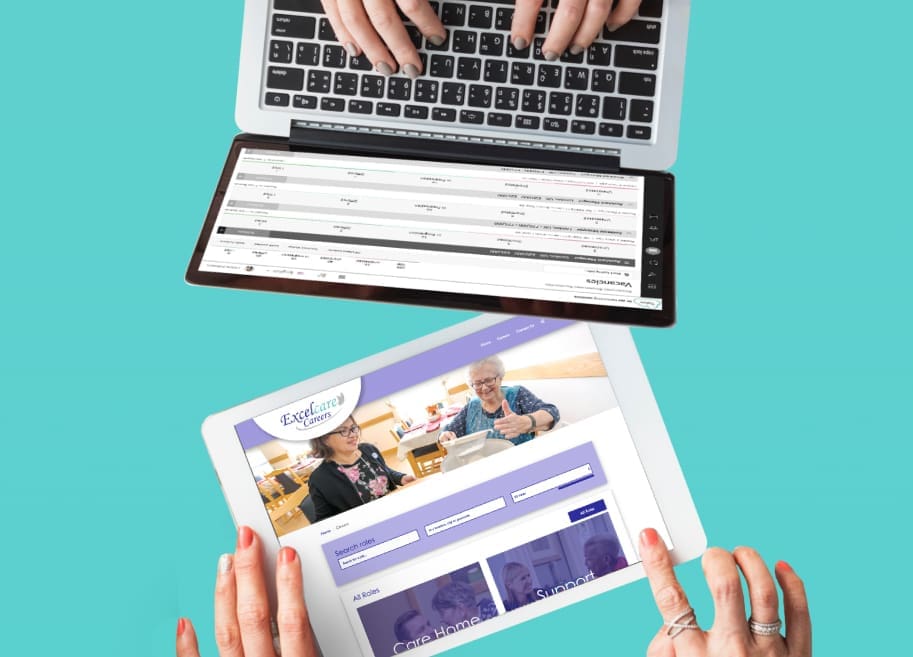
Talos ATS includes:
- Next-generation Applicant Tracking System
- Multi-platform job-poster
- Automated progression of your strongest applicants
- Recruitment advertising suite
- Video screening and interview platform
- SMS/email update automation for candidates
- Integrated Right to Work Checks with TrustID
- Remote onboarding tools
Discover an easier way to manage hiring – cut costs and save time with Talos ATS:
In summary
Hiring can be a challenge to take on, which is why many employers choose to outsource recruitment to professional consultants.
While this brings strengths such as faster hiring turnaround, it also has limitations. It can reduce interaction with your employer brand, give your team less control over the process, and is often more expensive than internal hiring.
Recruiting internally has a number of benefits, including reduced hiring spend, higher engagement, and increased staff retention. This can be achieved by:
- Utilising applicant tracking software (ATS)
- Using video screening/interviewing to save time
- Developing your employer brand to attract key talent
- Creating an effective onboarding process to engage new starters
Whether you choose to outsource recruitment, or centralise hiring, it’s important that you know the benefits and weaknesses of both methods. Whichever you choose, your main goal should be to expand your workforce with the strongest, most relevant talent – helping your business thrive.