
8th December 2021 10 MIN READ •Talos Guides •Talos ATS
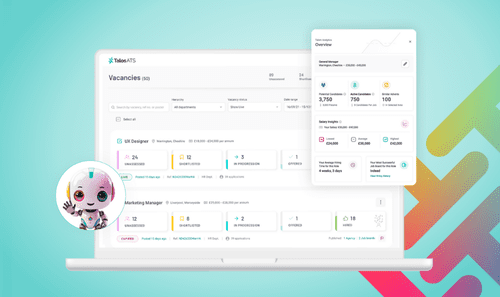
Table of Contents
What is an applicant tracking system?
An applicant tracking system is a piece of recruitment software that allows employers to track, review, and manage candidates throughout the hiring process. An ATS tracks a candidate’s application from the moment it is submitted through the candidate assessment and interview process to the offer and onboarding stage.
Applicant tracking software will integrate with your organisation’s existing HR toolset and HR platform, streamlining the entire hiring process from talent attraction to new hire onboarding, supporting overall hiring efficiency.
Using an ATS allows companies to:
- Reduce time to hire
- Streamline recruitment admin
- Reduce cost per hire
- Store applicant data securely (in compliance with GDPR)
- Screen and rank candidates easily
- Automate email/SMS comms
- Seamlessly progress applicants through every stage of the recruitment process
- Create a standardised onboarding process for all new starters
Who uses an applicant tracking system?
Different people will come into contact with an ATS at different stages of the hiring journey, including candidates, HR, and management. The various users of an applicant tracking system may include:
1. Job applicants
A candidate’s first touchpoint with an ATS may be via a business’ branded careers site, where they’ll find available vacancies to apply for, and can find out more about your company culture, workplace benefits, and employee value proposition. Candidates then use the applicant tracking system to apply for roles, submitting their CV and application via the platform. Applicants also use an ATS to keep up to date with their application’s progress.
2. Recruitment agencies
Some recruitment agencies use applicant tracking software to organise candidate details and match applicants with vacancies. Businesses can cut out the need to use an agency by using an ATS themselves, gaining more control over their recruitment processes.
3. HR teams

At the employer’s side, HR is typically the department that will use an applicant tracking system the most. HR departments use the technology to manage candidate applications, schedule and conduct video interviews, request references, send offers, and manage new starter onboarding.
4. Managers
Management and other senior stakeholders may also use an ATS to review analytics and make final hiring decisions. Applicant tracking software provides a centralised platform that all stakeholders can access for a seamless process.
What does an applicant tracking system do?
An applicant tracking system can automate and streamline many stages of the hiring process, transforming the way your organisation finds and onboards talent. The key functions of an ATS include:
1. Application management
An applicant tracking system automates the receipt of applications, saving time and resources, and reducing the risk of manual data entry errors. With an ATS, hirers can automatically stream applicant data from application forms direct to the applicant tracking system. This simplifies the data capture process, reducing admin, and ensuring every candidate is accounted for.
The ATS then centralises all candidate information, so every candidate’s progress can be tracked throughout their hiring journey. This ensures they remain supported and engaged at all times, creating a better overall candidate experience.
2. Candidate screening
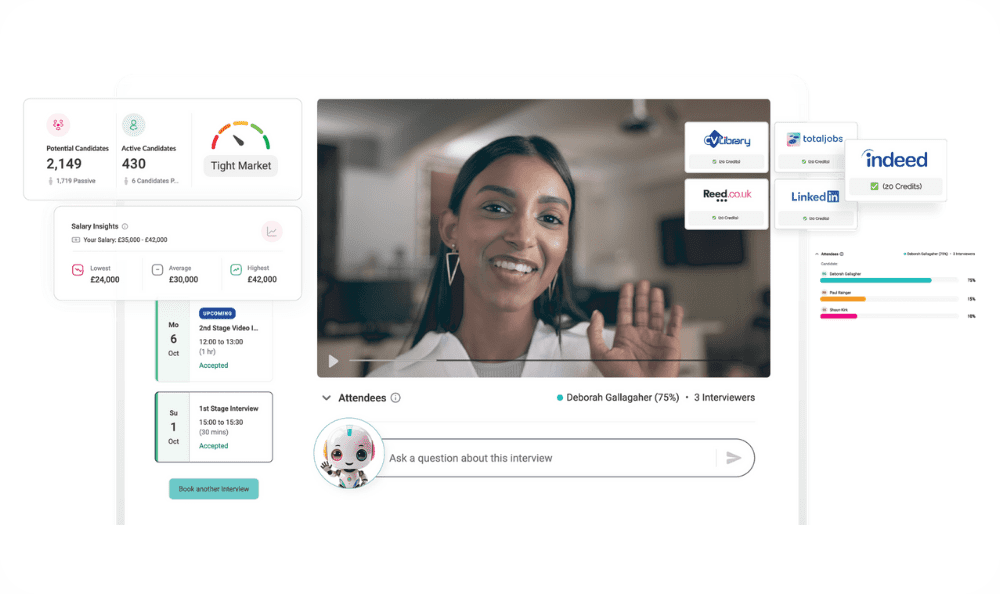
All candidate information can be centralised within the applicant tracking system, making it easier to screen and progress applicants effectively. Hirers can automatically filter, rank and rate applicants based on predefined keywords for straightforward assessment, streamlining the process. Using predetermined criteria also helps to remove bias from recruitment decisions, supporting more inclusive hiring.
3. Streamline communication
Applicant tracking systems also streamline communication, automating SMS and email messages with candidates at key stages of the process. Talos ATS enables interview scheduling, eliminating the need for time-consuming back-and-forth email threads, while centralising feedback helps to ensure all candidates feel nurtured throughout the hiring process. Streamlining comms helps to improve overall efficiency, saving time, money and resources.
4. Employee onboarding
Applicant tracking systems also support employee onboarding, allowing you to track and support each of your candidates as they begin their new roles, ensuring they arrive for their first day with confidence. Automate reference checks via the platform to reduce admin time and ensure compliance for all new hires, and you can communicate essential brand material with recruiters via the ATS to ensure a smooth transition.
Talos ATS also features onboarding tools that allow you to develop first week/month plans for new starters, and it will track their onboarding milestones. This helps HR to make sure they receive check-ins at regular intervals, and their progress is monitored throughout their first few weeks and months.
5. Future employee engagement
Another key use of applicant tracking software is for maintaining frequent contact with all of your candidates. The integrated contact scheduling assistant within Talos ATS lets you deliver personalised updates at each hiring stage, keeping candidates in the loop, including those who are unsuccessful who you may want to work with in future. Maintain a database of candidate information within the platform to nurture engaged talent pools to support your future hiring pipeline and further reduce time to fill.
How does an applicant tracking system work?
An applicant tracking system works a little like a database or business CRM, providing hirers with access to key candidate information, rather than customer or client details. Here’s how an applicant tracking system works:
- The hirer posts a job advert, sending it to multiple jobs boards or career site
- The candidate completes and submits their application via an ATS
- The applicant’s data enters the system, and is filtered in line with predefined criteria to narrow down the best-fit candidates using automated screening algorithms, scorecards and unbiased recruitment processes
- The hirer decides which candidates to invite for an interview, scheduling these via the platform
- Automated comms will be sent to candidates to inform them if they’ve been successful in making it through to the next stage. Their information may be retained, and the lead nurtured as part of a talent pool
- The interview stage then takes place. Talos ATS features in-built video interviewing software, facilitating remote hiring
- HR can request references automatically via the ATS for preferred candidates, including DBS checks
- An offer will then be sent out to the successful candidate via the ATS
- The new hire signs their contract remotely using the system’s in-built eSign capability, making the process seamless
- Before the new starter’s first day, communication may continue via the ATS, as key company policies are shared
- HR will continue to use the applicant tracking system throughout the onboarding process, logging the new hire’s initial progress
- Stakeholders can access the system’s reports and dashboards to access intelligent, real-time talent analytics into the candidate market to inform data-driven future hiring decisions
What are the benefits of using an applicant tracking system?
Applicant tracking systems can benefit both hirers and candidates. For recruiters, an ATS will revolutionise the way your company approaches recruitment, thanks to automated features that ensure accuracy and compliance throughout the hiring process.
Benefits of using an applicant tracking system for hirers
1. Save time
By automating and streamlining different aspects of the hiring process, including job advert posting, application collection and candidate screening, applicant tracking systems can help HR teams to save significant time. An ATS will organise and centralise candidate information, so interactions can be tracked in one easy-to-use dashboard. This means HR can spend more of their time on other tasks, leaving the ATS to work its magic.
2. Cut recruitment costs
Another key benefit of using an applicant tracking system is that it helps hirers to cut recruitment spend. It can be more cost-effective than outsourcing recruitment to staffing agencies, actively reducing your cost per hire, while centralising your company’s hiring process, and promoting active engagement with your unique employer brand.
Features such as our multi-jobs board poster prevent additional expenses for accessing major jobs sites, while automations reduce the need for resource-intensive manual data entry. This speeds up the overall hiring process and minimises the costs associated with long vacancy periods.
3. Improve the candidate journey
Streamline the candidate journey to improve the overall application experience with an ATS. Automate communications to keep candidates updated at every stage, reducing any uncertainty. Interactions can also be personalised using the data you have on a candidate.
Get off to the best possible start with talent by making a good first impression from an applicant’s first touchpoint with your business – this is key to securing their loyalty and ongoing employee engagement.
4. Make data-driven recruitment decisions
Using a candidate tracking system also enables hirers to make better-informed hiring decisions, driven by real-world data. Get greater visibility into your applicant data, including:
- CVs
- Survey results
- Interview performance
- Professional experience
Track key recruitment metrics, such as time to hire, cost per hire, and churn. Access to this data can facilitate better, more strategic hiring decisions, benefiting employee engagement and overall productivity.
5. Increase retention
Improved staff retention is another benefit of applicant tracking software. Using ATS filters allows hirers to ensure new hirers align with company culture, and the time-saving benefits of the software free up HR professionals to focus more of their time on staff engagement initiatives to ensure ongoing employee satisfaction.
Providing candidates with a positive, well-informed hiring and onboarding journey reduces the risk of ghosting and costly applicant turnover, instead building strong, lasting relationships between new recruits and your employer brand.
6. Recruit remotely
Open up your organisation to a wider pool of quality talent with remote hiring. Talos ATS enables video interviewing, paperless data collection and management, and remote onboarding. With the right applicant tracking system, you can maintain a strong and effective hiring process, even when your team is working hybrid or fully remote.
7. Seamless integrations
Data entry can be one of the most gruelling tasks in recruitment, but by linking your ATS with your online application forms, you can ensure applicant data is automatically processed straight into your database. This promotes ease and accuracy for your hiring team while ensuring candidates’ personal data remains secure. Talos ATS will also integrate with your existing HR and payroll systems for a seamless end-to-end experience.
Benefits of using an applicant tracking system for candidates
Applicant tracking systems also offer benefits for candidates compared to other methods of recruitment. The advantages of using an ATS for job applicants include:
1. Optimise your application
When candidates are applying for a job via an ATS, they have the opportunity to tailor their CV to the system, by trying to target the keywords or criteria they think the hirer will want to see. This may increase their chance of getting through to the next stage, but employers should be aware of keyword-stuffed or clunky sounding CVs and cover letters that have been written with the ATS in mind. This further highlights the need for regular human touchpoints when automated features are being used.
2. Streamlined application process
Applicant tracking systems offer a streamlined application process, making it faster and simpler for candidates to apply for vacancies. Applying for roles via an ATS removes the need for paperwork or a printer for an easier, more seamless, less stressful experience. In addition, candidates can track the status of their application in real time for a greater level of transparency throughout the recruitment process.
3. Regular progress updates
Receiving regular updates via automated comms keeps candidates informed at every stage of the process, reducing any anxiety and uncertainty. This means applicants aren’t left in the dark if they haven’t been selected to continue in the process, and removes the risk of ghosting. All of this creates a better candidate experience, even for unsuccessful applicants, enhancing your company reputation.
4. Eliminate bias
Applying for roles via an applicant tracking system also reduces bias in the hiring process, as many steps rely on automated algorithms that use standardised criteria, and candidate data is anonymised. The ATS will focus purely on skills, qualifications and experience, removing unconscious bias from the process. This leads to fairer, more inclusive recruitment, so candidates can be sure they will be judged for their experience, rather than their gender, name, age, or any other characteristic.
However, HR teams still need to make sure diverse candidates are being selected to progress to the next stage, as algorithms are developed by humans, so will never be 100% free from bias.
Key factors to consider when choosing an ATS
When choosing an applicant tracking system, there are several important factors to consider. Budget will of course be a key consideration, but how else can you decide between multiple platforms? Here are some points to keep in mind:
1. Your current pain points
Whether you’re spending too much on hiring, find it’s taking ages to find the right candidates, or are struggling with staff retention, the first step to finding the right ATS for you is to identify your current pain points and think about the type of solution that would help. For example, if you need to make efficiencies, research the automated features each ATS offers.
2. Your long-term goals
It’s also important to think about your long-term goals when choosing an ATS, making sure the platform has features that will support you to achieve these. For instance, if you need to boost retention, look for an applicant tracking system that offers onboarding support for new starters, like Talos ATS.
3. Industry-specific features
Look into whether the ATS you’re considering is suitable for your industry too. Talos ATS offers a careers site builder that can be tailored to your specific sector. In addition, the platform’s automated features make it well-suited to industries that deal with high-volume recruitment, such as hospitality and retail.
4. Integrations
You should also consider the existing tools and software your HR team relies on and whether your applicant tracking system will integrate with these. Talos ATS integrates with popular HR platforms, including:
- Fourth
- Civica
- HiBob
- iTrent
- Cascade
- Sage
- DocuSign
5. Demo availability
Finally, when selecting an ATS, look for one that lets you try out the platform before you decide whether to commit. At Talos ATS, we offer free demos of our applicant tracking software, and we’ll assign you a dedicated account manager to support you at every stage of your journey.
What does the future hold for applicant tracking systems?
The future of applicant tracking systems is still up in the air, but considering the pace of development in the last 5 years, ATSs are likely to see more advancements as we enter a new age of recruiting. We asked our Talent Insight Specialist, Tim Clifford, for his thoughts on the Future of the ATS:
“The future of applicant tracking systems, and Talos360’s ATS, particularly, is bright. The advancements in AI features and automated processes will transform a recruitment team’s day-to-day lives, by reducing the “admin-heavy” tasks with automation, freeing up more time to pick the right candidates. As HR looks for more ways to not only reduce hiring admin, but also save time when hiring and minimise costs, more applicant tracking systems will take that next step to autonomous hiring to becoming a smarter, less manual way of recruiting for HR.
Autonomous hiring is the next step for applicant tracking systems, and one that Talos360 has already taken with our AI hiring agent, Tali. Traditional applicant tracking systems and bolt-on modules are likely to be phased out by advanced, purpose-built systems that allow HR to attract, hire, onboard and develop talent faster, using the power of AI and fully automated workflows.”
Tim Clifford, Talent Insights Specialist
Applicant tracking system FAQs
Your organisation could benefit from an applicant tracking system if you receive a high volume of applications, or need to make efficiencies regarding the time or money you currently spend on recruitment. If you’re looking for more in-depth insights into your hiring data or trends within your organisation, you may find the reports within an ATS beneficial. If you’re currently relying on spreadsheets to track candidate data, applicant tracking software will transform your processes and integrate seamlessly with your existing HR and payroll tools.
Yes, AI is used within an applicant tracking system to automate processes such as candidate filtering, and some communications. The AI within an ATS will be built on data-driven algorithms, which can help to reduce human bias within the hiring process, but it’s vital to ensure all decisions are checked by a human to make sure decisions are fair and inclusive.
There are several key differences between an ATS and CRM (customer relationship management) system. An applicant tracking system is used in recruitment to automate hiring tasks and track candidates, improving efficiency. Meanwhile, a CRM is primarily used by sales, marketing and customer service teams to engage and manage interactions with clients and customers via a targeted communication strategy.
A typical ATS must be secure both from an organisation’s protection and candidates’ protection. When applying for a role, a candidate provides large amounts of sensitive data including name, address, email and phone number. This data must be secure and comply with GDPR regulations. It’s on your applicant tracing systems to have the right security and compliance in place to secure this data. A secure ATS should include:
Data compliance: Any secure ATS must be GDPR compliant to ensure the security of candidate’s data. Any misuse of candidate data or leak can have significant implications on a business, so choosing an ATS with the right regulation in place is essential.
Security certifications: The best ATSs are officially ISO27001 certified, a recognised Information Security Management System standard that protects your business from potential data breaches.
Audit trails: Knowing what data entered your systems and when is essential, especially when you have audit reviews in your business, or candidates experience a breach of data. Many applicant tracking systems are yet to provide audit trails, but secure systems like Talos ATS provide these from day one.
Access control & data encryption: Any business big enough to use an ATS will have multiple people signing into that system accessing and sending data. For an ATS to be sure, there must be a level of data encryption to hide sensitive candidate data. Talos360’s applicant tracking system also offers users to choose user permissions to further protect sensitive data, and limit potential misuse in larger organisations.
Some ATS users may find the implementation, integration and training stage of onboarding a new system disruptive, and stakeholders might be reluctant to sign off on the initial cost. When you choose Talos ATS, you’ll be assigned a dedicated account manager who will support your company through every stage of the seamless implementation process. Our ATS software also delivers good return on investment, saving your HR team time and money over the long term. The technology can also help you to find better quality talent more efficiently, improving retention and reducing the cost associated with high levels of churn.
The cost of an applicant tracking system will vary depending on the provider and the features offered. Contact us today to get a quote for Talos ATS, and find out more about how our applicant tracking system could benefit your business.
Key takeaways
- An applicant tracking system is a type of hiring software, which allows employers and HR teams to track candidates’ applications throughout the recruitment process
- Talos ATS, Talos360’s award-winning, end-to-end applicant tracking system, allows hirers to automate candidate communications, screen candidates against pre-defined criteria, seamlessly progress applicants through every stage of the hiring process, and store their data securely, in line with GDPR
- An applicant tracking system allows employers to generate job ads using AI, build talent pools, and create branded careers sites. Using an ATS also enables hirers to screen CVs, schedule interviews, conduct video interviews, and manage new starter onboarding via one platform.
- Application tracking systems provide companies with the insights they need to make data-driven recruitment decisions, improve the candidate journey, and boost staff retention
- For jobseekers, an ATS can create a more streamlined hiring process, improving the overall candidate experience
Talos ATS: your award-winning, end-to-end applicant tracking system
Ready to access the best applicant tracking system features and benefits? It’s time to experience Talos ATS. We’ve combined all the best hiring automations into one user-friendly platform, giving HR professionals a true all-in-one solution to recruitment management.
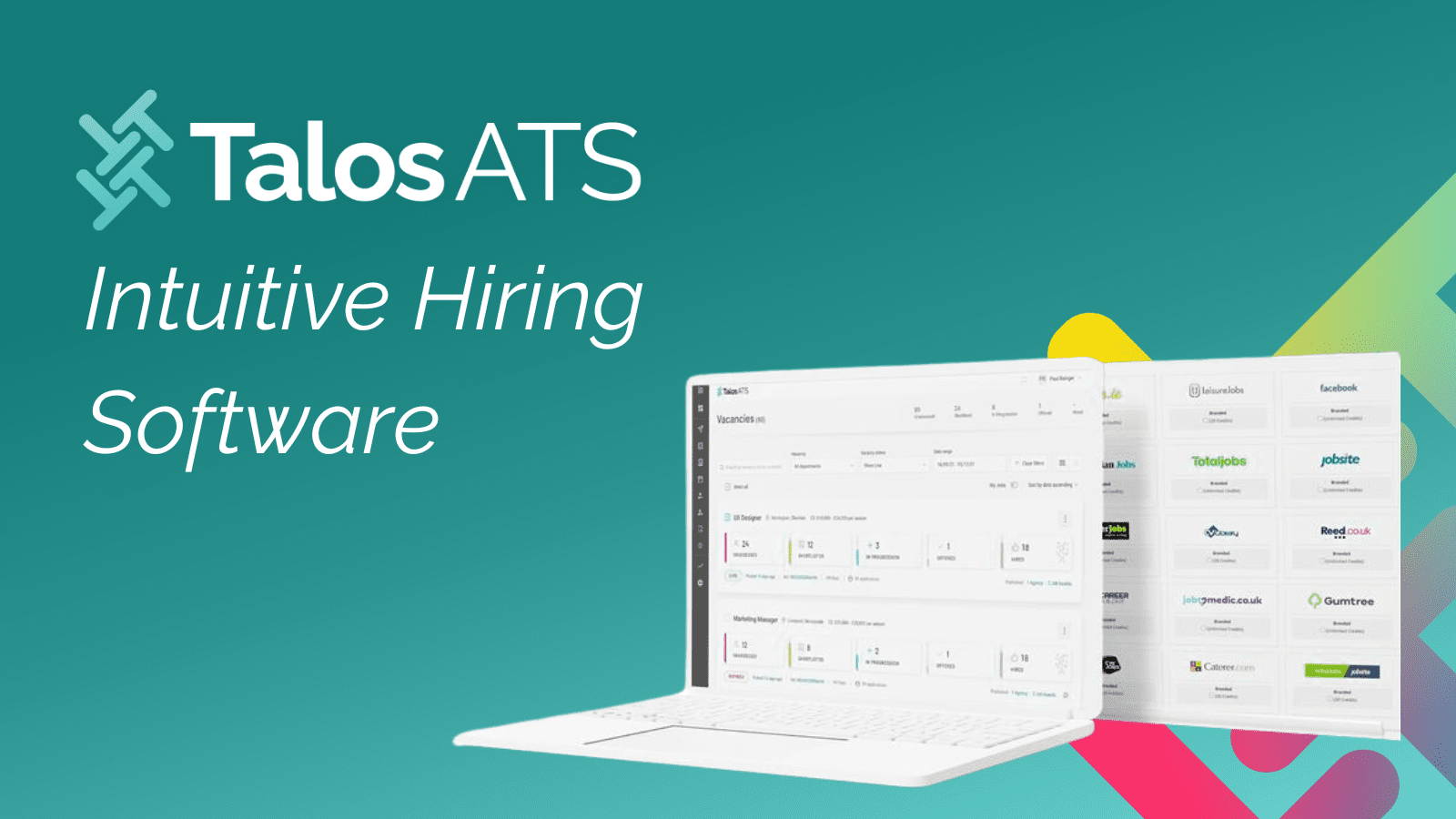
Our applicant tracking system features include:
- Next-generation applicant tracking system
- Multi-platform job-poster
- AI generated job adverts
- Automated progression of your strongest applicants
- Candidate assessments
- Recruitment advertising suite
- AI Talent Analytics
- Video screening and interview platform
- SMS/email update automation for candidates
- Interview insights
- Automated background checks
- Onboarding microsites
- HRIS integrations
- AI reporting and dashboards
Discover a better way to hire strong talent with Talos ATS: